
본문
Energy Efficient Heat Pump Washer Dryer
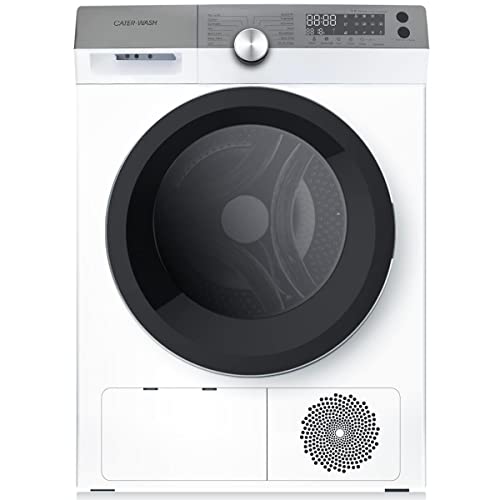 With the introduction of new federal incentives and impressive laboratory test results the Heat Pump Washer Dryer (M1Bar.Com) is poised to become a staple in the household. These all-in-one machines are more efficient in washing and to dry and they don't bring conditioned indoor air outside to vent.
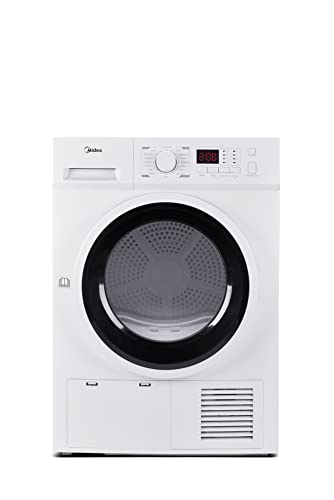 The clothes are also treated at less heat. Read on to find out more about this fascinating technology for laundry.
1. Energy Savings
They're not just for cooling and heating your home, they're now being used in dryers for clothes as well. A dryer made of heat that is ENERGY STAR certified uses 28% less power than a conventional dryer, saving you money on your electric bill. They operate at less heat to minimize wear and tear and damage on your clothes.
The heat pump washer-dryers reuse the air used during the washing cycle. However, it is cooled and warmed by a condenser coil located within the evaporator. The warm air is then pushed back into the drum to continue drying the clothes. A heat pump dryer doesn't need to exhaust the air that is laden with moisture, like vented dryers do.
Because laundry processes consume large amounts of energy, it's worth trying to make your current appliances as efficient as they can be. This can be accomplished by combining a washer with a heat-pump dryer. This will enable you to ensure maximum efficiency and start saving money on energy immediately.
For a start to get started, take a look at our collection of ENERGY STAR certified washers and dryers. You can filter results by model or model, energy consumption, wash cycles or spin speed. Be sure to check the yellow Energy Guide Label to see how much each appliance costs to run every year.
Combination washer-dryers can be a great option for those households that cannot afford two separate machines or do not have enough space. They are plugged directly into 120-volt outlets, and do not require a separate 240-volt venting or hookup system. These units are ideal for condominiums and apartments as they can be put in a cupboard or under counters.
2. Reduces Noise
The majority of traditional dryers for clothes heat the air by using gas or electric coil. This allows you to remove moisture from your clothes. The air is then vented out from your home, taking along the conditioned air that you pay for to cool in summer and to heat in winter. Your home will need to work overtime in order to replace the conditioned heat by pulling the replacement air through gaps and cracks between walls and doors.
Heat pump washer dryers transfer humidity from one place to another, rather than heating it and then venting it. This is great for homeowners who have houses that are too small to allow for an additional flow of air. It is also possible to install washer/dryer combos in areas where a vented dryer would not be suitable, such as under stairs. This will not impact the efficiency of the energy or performance.
All-in-one machines have many advantages however, they also have a few drawbacks. All-in-one units require longer time to complete their cycles than traditional washers and dryers, so it's important to allot plenty of time for each load. Also, combining two appliances in one can reduce the amount of laundry you're able to do at one time, since it takes around an hour longer for colors and whites to dry than they would in separate machines.
Thankfully, the majority of manufacturers are beginning to address these issues by offering simple solutions. LG's top-rated washer-dryer combo, for example, has a feature where you can prop the door slightly open when it is running to avoid water from pooling and drying the drum. A number of LG models, including our top pick, feature a tiny drainage hole in the bottom of the laundry tub that allows water to drain rather than pooling. Additionally, you can purchase compressor sound blanket wraps that fit comfortably over your heat pump to reduce its sound.
3. Reduces wear and tear
When a heat pump dryer functions it doesn't heat up the air like a traditional dryer--it just removes the moisture from the clothing which means it's much more gentle on clothing than a regular model. It also conserves energy because it doesn't waste the energy that it takes to heat up the air to dry the garments.
The dryers that use heat require more maintenance than standalone machines since the condensate drainage tube needs to be cleaned frequently to prevent blockages. However, this isn't much different than cleaning a regular dryer.
The main difference is that heat pump washer and dryer combos do not vent, which means you can put them in a home without cutting into the wall outside to run ductwork. This is a huge benefit for apartment dwellers as well as students and other who don't want to change their living space or spend extra money on a new appliance.
Since heat-pump dryers don't get as hot, they take longer to dry clothes than traditional dryers. Many people were hesitant use them due to the fact that they didn't attain the same temperature. However manufacturers have upgraded their technology and the LG Signature LUWM101HWA, a heat pump dryer that is on our list of best dryers, has an average drying time of 37 to 70 min.
It is important to not overdo the washing. This can result in excessive suds, which prolongs the cycle and leaves a slimy film on the clothing. (Readers frequently email us about this problem). Make sure you're using the recommended amount of high-efficiency detergents and wash the dispenser drawer on a regular basis. This will ensure that your machine is running efficiently saving your energy and money.
4. Reduces Lint
When you're drying your clothes with a heat-pump dryer, it uses less air than vented electric or vented gas dryers. That's because it doesn't blow hot, humid air into your clothes, but instead extracts air at room temperature around your clothes. The vapor is then heated by your washer and then used to remove the moisture from your laundry.
A heat pump washer weighs 88 pounds. This isn't as heavy as a vented gas dryer or electric dryer. That can make a difference if you intend to put it on the wall or use it in a closet that may not be large enough to accommodate a vent.
Lint build-up could be a problem for all dryers. However, the lower temperatures of a heat pump dryer restrict how much can clog the exhaust and prevent your clothes from reaching their full drying capacity. This also reduces the possibility of fire in your dryer or in its exhaust. This could happen if flammable solvents and oils from your laundry are able to enter the vent or dryer's evaporator.
Clean your dryer ducts at minimum once a month to reduce the accumulation of lint (more often if there are pets or children in the home). A wire brush or leaf blower can help you get rid of any lint that has accumulated between the ridges of the accordion hose, and it's safer to do this outside your home instead of inside, if you can.
To prevent drying out, be sure to use a detergent with low suds and follow the instructions of the manufacturer on how to set your water's level. Separate your laundry by fabric type and wash delicates like silk with heavy cottons as well as linens. That way you won't overdye your delicates or shrink them too much. Likewise, the sensors for moisture have a better chance of detecting the moment your laundry is dry to end the cycle.
5. Space Saver Space
Heat pump dryers use less energy because they reuse and recycle hot aer. This means they can save you money in a variety of ways, not just by saving on energy bills, but also by cutting down on the amount of energy required to heat or cool your home.
This method is also gentler on fabrics, heat pump washer dryer and reduces wear and shrinkage--a major benefit when you're dealing with expensive clothes. It also eliminates the need to clean vents blocked by lint and reduces the energy consumed by conventional dryers to heat the air in the room prior to entering the machine. This helps keep your heating costs down.
Combinations of heat pump washers and dryers are designed to fit into tiny areas, like closets and kitchens. These all-in one machines just take just the space of a few inches more than the best vented washers. They're also ventless, so you can place them wherever you have water and 120-volt outlets.
They are also simple to use. You only need to choose the appropriate wash cycle and drying cycle for your load, and then let them work. When your clothes are ready you can simply take them off.
These efficient, energy-efficient machines make it easier than ever to wash your clothes without breaking the bank. You can shop online or visit an Aztec Appliance showroom to find the perfect washer-dryer combo that is a perfect fit for your home. We offer the best discounts, Heat Pump Washer Dryer prices, rebates, and special financing to make your laundry room more affordable. And we're here to help you select the right dryer with a heat pump that fits your lifestyle and needs!
With the introduction of new federal incentives and impressive laboratory test results the Heat Pump Washer Dryer (M1Bar.Com) is poised to become a staple in the household. These all-in-one machines are more efficient in washing and to dry and they don't bring conditioned indoor air outside to vent.The clothes are also treated at less heat. Read on to find out more about this fascinating technology for laundry.1. Energy Savings
They're not just for cooling and heating your home, they're now being used in dryers for clothes as well. A dryer made of heat that is ENERGY STAR certified uses 28% less power than a conventional dryer, saving you money on your electric bill. They operate at less heat to minimize wear and tear and damage on your clothes.
The heat pump washer-dryers reuse the air used during the washing cycle. However, it is cooled and warmed by a condenser coil located within the evaporator. The warm air is then pushed back into the drum to continue drying the clothes. A heat pump dryer doesn't need to exhaust the air that is laden with moisture, like vented dryers do.
Because laundry processes consume large amounts of energy, it's worth trying to make your current appliances as efficient as they can be. This can be accomplished by combining a washer with a heat-pump dryer. This will enable you to ensure maximum efficiency and start saving money on energy immediately.
For a start to get started, take a look at our collection of ENERGY STAR certified washers and dryers. You can filter results by model or model, energy consumption, wash cycles or spin speed. Be sure to check the yellow Energy Guide Label to see how much each appliance costs to run every year.
Combination washer-dryers can be a great option for those households that cannot afford two separate machines or do not have enough space. They are plugged directly into 120-volt outlets, and do not require a separate 240-volt venting or hookup system. These units are ideal for condominiums and apartments as they can be put in a cupboard or under counters.
2. Reduces Noise
The majority of traditional dryers for clothes heat the air by using gas or electric coil. This allows you to remove moisture from your clothes. The air is then vented out from your home, taking along the conditioned air that you pay for to cool in summer and to heat in winter. Your home will need to work overtime in order to replace the conditioned heat by pulling the replacement air through gaps and cracks between walls and doors.
Heat pump washer dryers transfer humidity from one place to another, rather than heating it and then venting it. This is great for homeowners who have houses that are too small to allow for an additional flow of air. It is also possible to install washer/dryer combos in areas where a vented dryer would not be suitable, such as under stairs. This will not impact the efficiency of the energy or performance.
All-in-one machines have many advantages however, they also have a few drawbacks. All-in-one units require longer time to complete their cycles than traditional washers and dryers, so it's important to allot plenty of time for each load. Also, combining two appliances in one can reduce the amount of laundry you're able to do at one time, since it takes around an hour longer for colors and whites to dry than they would in separate machines.
Thankfully, the majority of manufacturers are beginning to address these issues by offering simple solutions. LG's top-rated washer-dryer combo, for example, has a feature where you can prop the door slightly open when it is running to avoid water from pooling and drying the drum. A number of LG models, including our top pick, feature a tiny drainage hole in the bottom of the laundry tub that allows water to drain rather than pooling. Additionally, you can purchase compressor sound blanket wraps that fit comfortably over your heat pump to reduce its sound.
3. Reduces wear and tear
When a heat pump dryer functions it doesn't heat up the air like a traditional dryer--it just removes the moisture from the clothing which means it's much more gentle on clothing than a regular model. It also conserves energy because it doesn't waste the energy that it takes to heat up the air to dry the garments.
The dryers that use heat require more maintenance than standalone machines since the condensate drainage tube needs to be cleaned frequently to prevent blockages. However, this isn't much different than cleaning a regular dryer.
The main difference is that heat pump washer and dryer combos do not vent, which means you can put them in a home without cutting into the wall outside to run ductwork. This is a huge benefit for apartment dwellers as well as students and other who don't want to change their living space or spend extra money on a new appliance.
Since heat-pump dryers don't get as hot, they take longer to dry clothes than traditional dryers. Many people were hesitant use them due to the fact that they didn't attain the same temperature. However manufacturers have upgraded their technology and the LG Signature LUWM101HWA, a heat pump dryer that is on our list of best dryers, has an average drying time of 37 to 70 min.
It is important to not overdo the washing. This can result in excessive suds, which prolongs the cycle and leaves a slimy film on the clothing. (Readers frequently email us about this problem). Make sure you're using the recommended amount of high-efficiency detergents and wash the dispenser drawer on a regular basis. This will ensure that your machine is running efficiently saving your energy and money.
4. Reduces Lint
When you're drying your clothes with a heat-pump dryer, it uses less air than vented electric or vented gas dryers. That's because it doesn't blow hot, humid air into your clothes, but instead extracts air at room temperature around your clothes. The vapor is then heated by your washer and then used to remove the moisture from your laundry.
A heat pump washer weighs 88 pounds. This isn't as heavy as a vented gas dryer or electric dryer. That can make a difference if you intend to put it on the wall or use it in a closet that may not be large enough to accommodate a vent.
Lint build-up could be a problem for all dryers. However, the lower temperatures of a heat pump dryer restrict how much can clog the exhaust and prevent your clothes from reaching their full drying capacity. This also reduces the possibility of fire in your dryer or in its exhaust. This could happen if flammable solvents and oils from your laundry are able to enter the vent or dryer's evaporator.
Clean your dryer ducts at minimum once a month to reduce the accumulation of lint (more often if there are pets or children in the home). A wire brush or leaf blower can help you get rid of any lint that has accumulated between the ridges of the accordion hose, and it's safer to do this outside your home instead of inside, if you can.
To prevent drying out, be sure to use a detergent with low suds and follow the instructions of the manufacturer on how to set your water's level. Separate your laundry by fabric type and wash delicates like silk with heavy cottons as well as linens. That way you won't overdye your delicates or shrink them too much. Likewise, the sensors for moisture have a better chance of detecting the moment your laundry is dry to end the cycle.
5. Space Saver Space
Heat pump dryers use less energy because they reuse and recycle hot aer. This means they can save you money in a variety of ways, not just by saving on energy bills, but also by cutting down on the amount of energy required to heat or cool your home.
This method is also gentler on fabrics, heat pump washer dryer and reduces wear and shrinkage--a major benefit when you're dealing with expensive clothes. It also eliminates the need to clean vents blocked by lint and reduces the energy consumed by conventional dryers to heat the air in the room prior to entering the machine. This helps keep your heating costs down.
Combinations of heat pump washers and dryers are designed to fit into tiny areas, like closets and kitchens. These all-in one machines just take just the space of a few inches more than the best vented washers. They're also ventless, so you can place them wherever you have water and 120-volt outlets.
They are also simple to use. You only need to choose the appropriate wash cycle and drying cycle for your load, and then let them work. When your clothes are ready you can simply take them off.
These efficient, energy-efficient machines make it easier than ever to wash your clothes without breaking the bank. You can shop online or visit an Aztec Appliance showroom to find the perfect washer-dryer combo that is a perfect fit for your home. We offer the best discounts, Heat Pump Washer Dryer prices, rebates, and special financing to make your laundry room more affordable. And we're here to help you select the right dryer with a heat pump that fits your lifestyle and needs!
댓글목록
등록된 댓글이 없습니다.

 대표이사 김무현