
본문
Why Landlords Need to Get a Gas Safe Certificate Check
Getting a gas safe certificate is mandatory for landlords. It protects their property and tenants from dangers, such as carbon dioxide poisoning and fires.
Inspections focus on pipes and valves, to ensure they meet standards. It also checks the efficiency of appliances to determine whether they're functioning properly.
Installations that aren't up to scratch
If any gas appliances or installations are considered to be in danger during an inspection of the gas safety certificate the engineer will write this on the document. The engineer will use a code to identify the importance and urgency of the problem. Faults with installations that pose immediate danger to home or the residents will be marked as 'immediately risky'. In this instance the engineer will request for permission to disconnect any device or installation that is an immediate danger to the property or residents. This should be done in the shortest time possible to ensure the safety of everyone.
A gas safety certificate should also indicate the presence of any installations or appliances that are classified as 'at-risk', meaning that one or more problems were discovered that could be a threat to the health and wellbeing of residents. Your engineer should then make suggestions to correct the issue as soon as possible to minimize any threat to tenants.
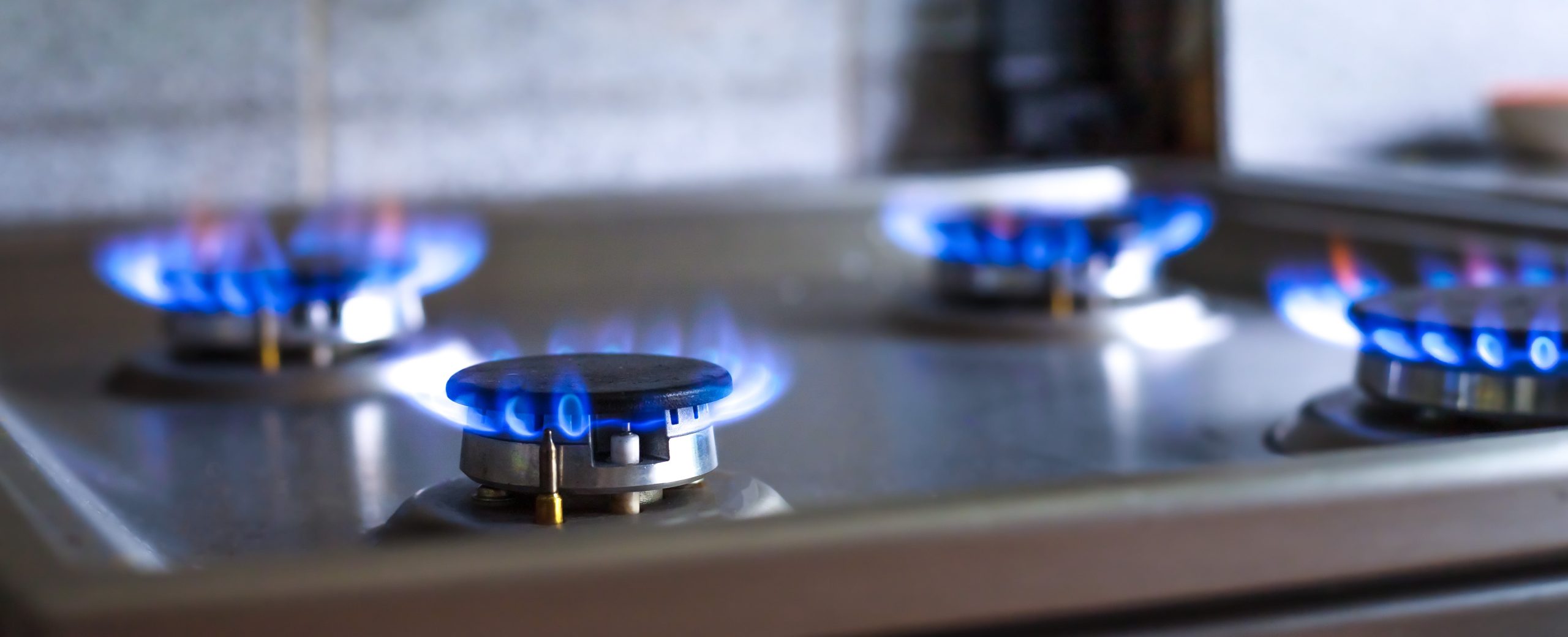 Landlords are required to have gas safe certificates for any property they rent out. This is an obligation under the law to ensure that the home is safe for all inhabitants, and it can be useful in many situations such as when it comes to insurance plans, property transactions and more. A regular inspection and servicing of gas appliances can help to avoid any dangers from occurring in the near future and protect you and your tenants.
The cost of a certificate of gas safety is contingent on the person you hire and how much gas safety certificate many appliances have to be checked. However, you may be able to get yours at no cost through certain energy suppliers. It is recommended to shop around for the best price and quality before making an appointment.
Gas safety records are certificates that you receive from a Gas Safe registered technician after they have examined any gas work on your property. It will include details of all the work carried out, and the engineer's ID number should be listed on it. The record should be prominently displayed in the rental property. You should also provide a copy to any new tenants at the beginning of their lease.
Carbon Monoxide Emissions
Carbon Monoxide emissions are a highly risky issue that can impact the health of those living within a house. It is released by poorly installed or defective gas appliances, and can lead to poisoning. The landlord should make sure that all appliances and flues are inspected by an official engineer for safety. This will allow them to avoid the potential problems that can occur with this potentially dangerous substance.
The gas safe certificate check (please click the following article) is an obligation for landlords in the UK. All landlords must be inspected every year by a Gas Safe registered Engineer. Gas appliances in the home are inspected to ensure they are safe and efficient. It also looks for leaks of carbon monoxide which can cause fatalities when not properly detected. Landlords must provide an original copy of the gas safety test for any new tenants prior to the time they move into.
Only Gas Safe registered engineers can perform an Gas Safe certificate check. They will have a valid ID card that can be shown to the landlord. This is important to verify prior to scheduling an appointment as the landlord can confirm that the engineer is authorized to work with credentials.
When conducting a gas safety check the engineer will check the boiler, cooker, and any other gas appliance within the house. They will also look at the gas safe installation certificate pipework as well as the meter. The engineer will then give a Gas Safety Certificate, which outlines the results of the inspection, as well as any additional actions that might be required. The Gas Safety Certificate must be given to the tenant prior to when they move in and should be kept by the landlord gas safety certificate to be used in the future.
The most suitable time to schedule your annual gas safety check is during summer when engineers are the most accessible. Booking an appointment during this time can be cheaper. Some energy suppliers offer free gas safety tests for their customers So it's worth confirming with them.
A valid gas safety certificate is vital for all landlords as it proves that their home and gas appliances are up to standards. If a landlord safety certificate does not have a gas safety certificate could be subject to fines or even criminal charges. The insurance on the building could be canceled.
Leaks
The engineer will check for carbon monoxide during the inspection. This is done with a specific machine which can detect even trace amounts of carbon monoxide and alert the owner of the property. This is an important step because it could help prevent carbon monoxide poisoning, which can trigger a range of symptoms, including headaches dizziness, nausea, and headaches.
The engineer will also check the position of gas appliances and ensure that the gas supply is secure. This includes ensuring that the emergency valves and isolation valves are in good condition and are easily accessible. If the engineer discovers any issues with these features they will mention them in their record of findings.
A key part of the gas safety certificate inspection is to ensure that there is sufficient ventilation. This involves checking the flues and fireplaces to ensure that they are not blocked, that they are properly fitted so gases can escape, and that they are not blocked by debris or dust. The engineer should also examine the ventilation requirements of any appliances to function and ensure they are properly fitted and not placed too close to other appliances or building fabric.
While it is not legal for homeowners to undergo gas safety inspections, they should think about taking this step as it can lower the risk of carbon monoxide leaks or other gas-related incidents. Landlords are legally required to have their properties inspected by Gas Safe registered engineers and give tenants copies of their gas safety inspection documents.
There are serious penalties for landlords who fail to comply with these standards and it's recommended to schedule in regular gas safety inspections and have any necessary repairs completed as soon as is possible. If you're a landlord you might want to consider using software like Tradify to manage your gas safety certificates more efficiently and ensure that all your properties have up-to-date records. Join for a 14-day free trial of Tradify to learn how it can make your life easier and your customers' lives more secure.
Requirements
A gas safe certificate test is an essential element of any homeowner's or landlord's maintenance routine. In many regions it is a requirement for landlords, while homeowners should also have their appliances checked by an engineer for safety. The gas safety certificate is a formal document that confirms that gas appliances and installations within the property are safe for use. The gas safety certificate will include the name of the engineer who performed the inspection and the address of the property, a listing of all the gas appliances and installations that were tested by the inspector, the condition of each (fit for purpose or not), any faults discovered, recommendations for further actions, and finally, the date of the inspection.
 The engineer will also check whether the gas boiler is operating at the correct temperature and pressure, that the flue or chimney is effectively removing the combustion gases, and if any appliances are in good order. They will also check that the ventilation passages and chimney are free of obstructions, and that the carbon monoxide alarm is functioning.
If the engineer finds a gas appliance that they believe to be unsafe, they will inform you of this and request permission to remove the appliance or installation from the gas supply. The engineer will then recommend the needed repairs to bring the appliance back to safety. They will also issue a caution about the risks of using an unsafe appliance and suggest that you make arrangements for the engineer to come again to address the issue as soon as is possible.
Landlords should ensure that they have their gas safety certificates in place prior to renting out a property. It is a legal requirement and a failure to adhere could result in hefty penalties. It's also a good move for any homeowner, as having their gas appliances and pipework checked can help detect problems early on, preventing potential accidents and saving money in the long run.
Getting a gas safe certificate is mandatory for landlords. It protects their property and tenants from dangers, such as carbon dioxide poisoning and fires.
Inspections focus on pipes and valves, to ensure they meet standards. It also checks the efficiency of appliances to determine whether they're functioning properly.
Installations that aren't up to scratch
If any gas appliances or installations are considered to be in danger during an inspection of the gas safety certificate the engineer will write this on the document. The engineer will use a code to identify the importance and urgency of the problem. Faults with installations that pose immediate danger to home or the residents will be marked as 'immediately risky'. In this instance the engineer will request for permission to disconnect any device or installation that is an immediate danger to the property or residents. This should be done in the shortest time possible to ensure the safety of everyone.
A gas safety certificate should also indicate the presence of any installations or appliances that are classified as 'at-risk', meaning that one or more problems were discovered that could be a threat to the health and wellbeing of residents. Your engineer should then make suggestions to correct the issue as soon as possible to minimize any threat to tenants.
Landlords are required to have gas safe certificates for any property they rent out. This is an obligation under the law to ensure that the home is safe for all inhabitants, and it can be useful in many situations such as when it comes to insurance plans, property transactions and more. A regular inspection and servicing of gas appliances can help to avoid any dangers from occurring in the near future and protect you and your tenants.The cost of a certificate of gas safety is contingent on the person you hire and how much gas safety certificate many appliances have to be checked. However, you may be able to get yours at no cost through certain energy suppliers. It is recommended to shop around for the best price and quality before making an appointment.
Gas safety records are certificates that you receive from a Gas Safe registered technician after they have examined any gas work on your property. It will include details of all the work carried out, and the engineer's ID number should be listed on it. The record should be prominently displayed in the rental property. You should also provide a copy to any new tenants at the beginning of their lease.
Carbon Monoxide Emissions
Carbon Monoxide emissions are a highly risky issue that can impact the health of those living within a house. It is released by poorly installed or defective gas appliances, and can lead to poisoning. The landlord should make sure that all appliances and flues are inspected by an official engineer for safety. This will allow them to avoid the potential problems that can occur with this potentially dangerous substance.
The gas safe certificate check (please click the following article) is an obligation for landlords in the UK. All landlords must be inspected every year by a Gas Safe registered Engineer. Gas appliances in the home are inspected to ensure they are safe and efficient. It also looks for leaks of carbon monoxide which can cause fatalities when not properly detected. Landlords must provide an original copy of the gas safety test for any new tenants prior to the time they move into.
Only Gas Safe registered engineers can perform an Gas Safe certificate check. They will have a valid ID card that can be shown to the landlord. This is important to verify prior to scheduling an appointment as the landlord can confirm that the engineer is authorized to work with credentials.
When conducting a gas safety check the engineer will check the boiler, cooker, and any other gas appliance within the house. They will also look at the gas safe installation certificate pipework as well as the meter. The engineer will then give a Gas Safety Certificate, which outlines the results of the inspection, as well as any additional actions that might be required. The Gas Safety Certificate must be given to the tenant prior to when they move in and should be kept by the landlord gas safety certificate to be used in the future.
The most suitable time to schedule your annual gas safety check is during summer when engineers are the most accessible. Booking an appointment during this time can be cheaper. Some energy suppliers offer free gas safety tests for their customers So it's worth confirming with them.
A valid gas safety certificate is vital for all landlords as it proves that their home and gas appliances are up to standards. If a landlord safety certificate does not have a gas safety certificate could be subject to fines or even criminal charges. The insurance on the building could be canceled.
Leaks
The engineer will check for carbon monoxide during the inspection. This is done with a specific machine which can detect even trace amounts of carbon monoxide and alert the owner of the property. This is an important step because it could help prevent carbon monoxide poisoning, which can trigger a range of symptoms, including headaches dizziness, nausea, and headaches.
The engineer will also check the position of gas appliances and ensure that the gas supply is secure. This includes ensuring that the emergency valves and isolation valves are in good condition and are easily accessible. If the engineer discovers any issues with these features they will mention them in their record of findings.
A key part of the gas safety certificate inspection is to ensure that there is sufficient ventilation. This involves checking the flues and fireplaces to ensure that they are not blocked, that they are properly fitted so gases can escape, and that they are not blocked by debris or dust. The engineer should also examine the ventilation requirements of any appliances to function and ensure they are properly fitted and not placed too close to other appliances or building fabric.
While it is not legal for homeowners to undergo gas safety inspections, they should think about taking this step as it can lower the risk of carbon monoxide leaks or other gas-related incidents. Landlords are legally required to have their properties inspected by Gas Safe registered engineers and give tenants copies of their gas safety inspection documents.
There are serious penalties for landlords who fail to comply with these standards and it's recommended to schedule in regular gas safety inspections and have any necessary repairs completed as soon as is possible. If you're a landlord you might want to consider using software like Tradify to manage your gas safety certificates more efficiently and ensure that all your properties have up-to-date records. Join for a 14-day free trial of Tradify to learn how it can make your life easier and your customers' lives more secure.
Requirements
A gas safe certificate test is an essential element of any homeowner's or landlord's maintenance routine. In many regions it is a requirement for landlords, while homeowners should also have their appliances checked by an engineer for safety. The gas safety certificate is a formal document that confirms that gas appliances and installations within the property are safe for use. The gas safety certificate will include the name of the engineer who performed the inspection and the address of the property, a listing of all the gas appliances and installations that were tested by the inspector, the condition of each (fit for purpose or not), any faults discovered, recommendations for further actions, and finally, the date of the inspection.
The engineer will also check whether the gas boiler is operating at the correct temperature and pressure, that the flue or chimney is effectively removing the combustion gases, and if any appliances are in good order. They will also check that the ventilation passages and chimney are free of obstructions, and that the carbon monoxide alarm is functioning.If the engineer finds a gas appliance that they believe to be unsafe, they will inform you of this and request permission to remove the appliance or installation from the gas supply. The engineer will then recommend the needed repairs to bring the appliance back to safety. They will also issue a caution about the risks of using an unsafe appliance and suggest that you make arrangements for the engineer to come again to address the issue as soon as is possible.
Landlords should ensure that they have their gas safety certificates in place prior to renting out a property. It is a legal requirement and a failure to adhere could result in hefty penalties. It's also a good move for any homeowner, as having their gas appliances and pipework checked can help detect problems early on, preventing potential accidents and saving money in the long run.
댓글목록
등록된 댓글이 없습니다.

 대표이사 김무현