
본문
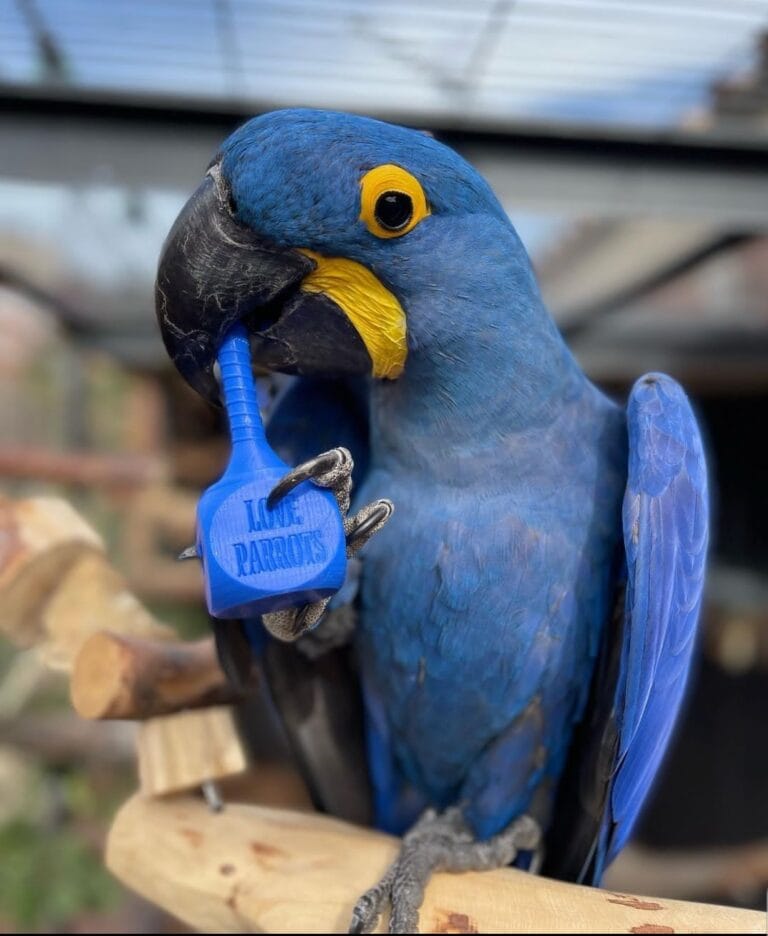 How to Tame a Blue mini Macaw for sale and Red Macaw
Macaws usually choose a life partner and spend a lot of time together, sharing food and grooming one another, as well as caring for their young. Unfortunately, these magnificent bird species are on the verge of disappearing.
Habitat destruction caused by humans as well as the trade in cage birds and poaching are all major threats to this beautiful species.
Great Green mini macaw price
The magnificent green Macaw (Ara-ambiguus) is among the largest parrots found in Central America. It is also one of the most striking and vibrant birds in the rainforest canopy. Its green plumage is highlighted by the red on its forehead and blue on its lower back and tail feathers. The tail and wings are both long and pointed, allowing it to maneuver effortlessly through the forest canopy. Its strong, large beak can break open nuts and seeds. The great green Macaw is a fugivore and, consequently plays a significant role in maintaining healthy rainforest ecologies. The dispersal of seeds helps tree species like the maiz-based biological Tree Dipteryxoleifera thrive by providing food for other species of animals.
These magnificent birds live in pairs or small groups, and spend most of their time flying high up in the forest canopies searching for fruits, nuts, and seeds. They are often found nesting in hollow tree cavities, which they typically cover with branches and grass. Females will lay two to three eggs, which she will incubate for between 26 and 28 days. The male helps feed the chicks when they hatch.
Captive great-green hybrid macaws for sale are excellent companion animals. They are intelligent, playful birds. However, it's important to keep in mind that these birds require plenty of space, attention, and patience in order to thrive. They have been known to bite and be destructive when bored. They are also susceptible to health issues such as proventricular dilatation or macaw wasting diseases.
Like many other tropical species Great green macaws, too, are in decline. Their habitat is being degraded by mining, logging, agriculture, and cattle ranching. Their numbers are also impacted by illegal wildlife trade and hunting for food.
Protecting the habitat of these incredible animals is the only way to ensure their survival. By creating corridors between protected zones, these animals will be able to move freely and gain access to a variety of sources of food. Ultimately, preserving the natural habitat of these beautiful birds will help to safeguard other species in danger that share their homes like the Scarlet Macaw and Yellow-naped Amazon.
Blue and Gold Macaw
This beautiful bird is among the most popular parrots to buy kept in captivity all over the world. It is smart and a very affectionate animal. It requires a lot of interaction and education, but is a great pet if it is properly trained. However, macaws can be known to be aggressive if not properly trained and given clear boundaries. This is why it is important to work with a professional trainer who is aware of how to handle large birds and teach them tricks. Dave and Jamieleigh of BirdTricks, have created an excellent video that shows how to hand tame the Blue and Gold Macaw. They offer some tricks, tips and techniques that where can i buy a macaw aid anyone in training their macaw to be a friend and enjoyable to play with. Watch their video here.
Blue and gold macaws one of the parrots family are neotropical neotropical bird species that are native to tropical Central America and South America (especially varzea habitats) and woodland and savannah areas as well as Trinidad and Tobago. They are mostly blue in their tail and dorsum feathers with accents of gold or yellow and varying shades of green on the head. Their wings and wing coversts are blue with green highlights. Their feet are zygodactyl with two toes facing forward and two facing backward. This adaptation allows them to grasp branches easily.
They are monogamous and pair for life, and remain together during breeding season. They dig up tree cavities using their powerful beaks to construct nests. They usually lay two to three eggs and then incubate them for 25 days. Once they hatch, both parents feed the altricial chicks with regurgitation until they can manage themselves.
They are intelligent birds who convey a variety of emotions through a variety of vocalizations. They also display a variety of courtship behavior, such as cocking their heads and flirting by raising their wings and blushing. They can also show their emotions by bouncing, prancing or bouncing their wings.
They are playful and love to chew toys. Therefore, it is recommended that owners provide plenty of bird-safe, sturdy toys that hold up to their strong jaw muscles. This will help keep the teeth healthy and prevent the development of tartar and plaque.
Red-shouldered Macaw
It is often referred to as Hahn's Macaw, this small bird is among the most intelligent macaw species available. It is a good friend to its human companions and is a ferocious speaker that can master many tricks. It's also calmer than other macaws, which makes it a great option for people who might be worried about a noisy parrot. Although it can be nippy as an infant, it typically gets over this behavior and is extremely playful as an adult.
This bird is native in savannahs and swamplands as well in tropical lowland habitats all over Brazil, Venezuela Guyana and South-Eastern Peru. The vibrant green color is perfect for camouflaging among the vegetation. It lays between two and five eggs, that are incubated for a period of 24 days. After two months the chicks are ready grow. The species usually couples for life and is often found in pairs.
In its natural habitat, it forages for berries and flowers and seeds, nuts, fruits and leaves. These birds are well-known for eating insects, too. These birds are also known to gather near clay cliffs. This is thought to aid in the elimination of any toxins they may have ingested while eating their normal food.
Hahn's Macaws can be prone to self-mutilation, feather plucking, and nutritional disorders. They also are susceptible to proventricular dilatation and enlarged beaks. However, a balanced diet, regular veterinary checks and proper maintenance of the cage can prevent these problems from developing.
In captivity, the bird is very social and can live for 40 to 50 years. It isn't typically sold in large pet stores but it can be found at avian-specialty shops and from bird breeders. It is intelligent, but can be difficult to train for a novice. It is a great speaker, and can be trained to whistle and clap as well as dance.
Hahn's Macaws are loud and not recommended for living in apartments. They require a large cage with a variety of steady perches, a variety of large food bowls, and plenty of opportunities to exercise daily outside their cage. They are also very powerful chewers and require a sturdy cage that is secure.
Blue-and-yellow Macaw
The Blue-and-yellow Macaw (Ara ararauna) is a gorgeous large, tropical parrot. This bird, like other Macaws, is monogamous and pairs for life. It also has a tendency to mimicry, which makes it a great companion bird.
This species is native to South America, and can be found in a variety of habitats. This includes cloud forests, savannas and rainforests. IUCN has declared the Blue-and Yellow Macaw endangered and conservation efforts have been launched to protect this beautiful bird.
These birds reach breeding age when they are 3-4 years old. They are known to be a pair for life and remain together until one of the partners dies. The blue-and-yellow macaw price will lay between two and three eggs in each nest. The female is the one who incubates eggs, while the male fights for the nest. After the chicks hatch, they become altricial and they have to rely on their parents for food until they are capable of feathering themselves and start feeding themselves.
In the wild, Macaws are social birds and spend their time in a swarm of parrots and Macaws. They are extremely intelligent, and can learn a wide range of sounds. The Blue-and-Yellow is a skilled flyer. It can be observed performing amazing aerial maneuvers and flying through forest canopy.
The Blue-and Yellow Macaw is a stunning and charming creature. This is a wonderful option for anyone who is looking for a pet to bring pleasure and love.
This bird is a beautiful large, tropical parrot that is native to South America. It is monogamous, and mates for life and has a strong inclination towards mimicry. It has a strong tendency to form bonds with humans and is able to learn a variety of words and phrases.
When the Blue-and-Yellow Macaw is between 3 and 4 years old, it reaches the age of breeding. Blue-and-yellow Macaws pair up for life and reside in small groups. The Blue-and-Yellow can be found in many habitats, including cloud forests and savannas. The Blue-and Yellow prefers to make nests inside cavities in trees, which they create by using their powerful beaks. The female will lay between 2 and 3 eggs. They will then incubate them for about one week.
댓글목록
등록된 댓글이 없습니다.

 대표이사 김무현