
본문
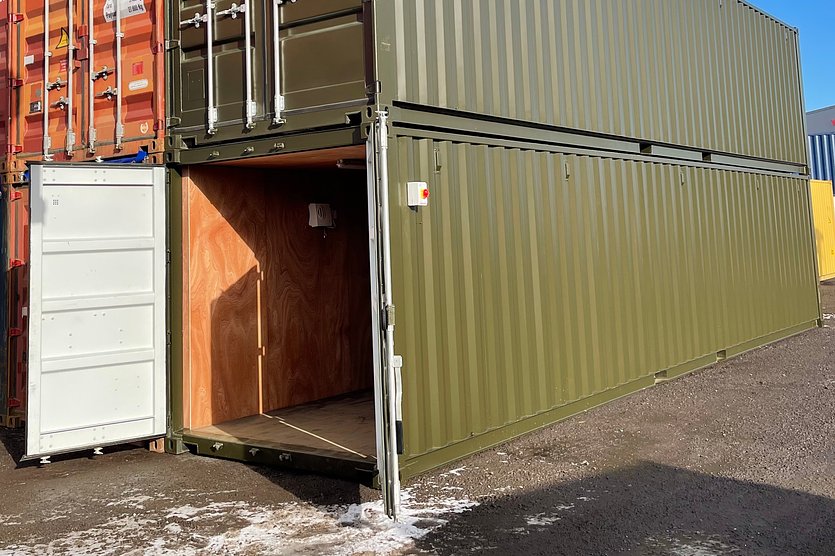
A Comprehensive Guide to Container Purchase: Making Informed Decisions
In recent years, the container industry has actually witnessed a substantial rise in need, driven by a myriad of aspects such as globalization, the rise of e-commerce, and the need for economical logistics solutions. Containers serve various purposes consisting of transportation, storage, and even living spaces. This short article looks into the intricacies of container purchase, providing potential purchasers with the necessary insights and factors to consider to make informed choices.
Understanding the Container Market
Before delving into the specifics of acquiring a container, it is important to understand the marketplace dynamics surrounding container production and sales. Containers are offered in different sizes, types, and conditions, each catering to different requirements and circumstances.
Types of Containers
The option of container often depends on its intended usage. Here are the most common kinds of containers readily available in the market:
| Container Type | Description |
|---|---|
| Requirement Dry | The most common type, suitable for basic cargo. |
| Reefer | Refrigerated containers suitable for perishable items. |
| Open Top | Designed for extra-large cargo that can not fit through basic doors. |
| Flat Rack | Useful for shipping heavy cargo like equipment and vehicles. |
| High Cube | Taller than basic containers, permitting for more volume. |
| Tank Containers | Used to transport liquids, gases, and other bulk materials. |
New vs. Used Containers
When choosing container purchase, buyers need to consider whether to purchase new or used containers. Both options have their advantages and disadvantages:
| Option | Advantages | Drawbacks |
|---|---|---|
| New Shipping Containers | - Guaranteed structural integrity - Enhanced functions - Longer life expectancy | - Higher cost - Subject to devaluation |
| Used | - Cost-effective - Ready for immediate use - Often offered as-is with small repairs | - Potential concealed concerns - Shorter life-span |
Elements to Consider When Purchasing a Container
When aiming to purchase a container, buyers should examine a range of aspects to guarantee they make a wise financial investment. Below are some critical considerations:
Purpose: Define the primary usage of the container-- whether for shipping products, storage, or conversion into alternate usages such as homes or workplaces.
Size: Select a proper size based on your cargo or storage requirements:
- 10-foot: Suitable for smaller loads.
- 20-foot: Common size for many shipping needs.
- 40-foot: Ideal for substantial shipping volumes.
Condition: Determine if a new Container Prices or a used one fits your requirements. Check used containers for wear and prospective repair requirements.
Budget plan: Establish a budget plan, considering purchase cost, transportation, and prospective modification costs.
Location: Consider the proximity of the provider to reduce shipping costs and ensure timely delivery.
Compliance and Standards: Familiarize yourself with any regulations governing Container Leasing use in your area, especially if the container will be used for living or business purposes.
The Purchasing Process: Step-by-Step
Step 1: Research and Select Suppliers
Begin by investigating various providers. Search for reputable companies with favorable evaluations and a comprehensive stock. Utilize both online resources and regional contacts for tips.
Action 2: Inspect Containers
If buying used containers, constantly set up an assessment. Try to find rust, structural integrity, and indications of worthiness. Never rely exclusively on photos.
Action 3: Negotiate Terms
Once a container is picked, work out the purchase price and payment terms. Guarantee you comprehend all fees related to the purchase, including delivery charges, taxes, and extra modifications.
Step 4: Complete the Purchase
Finalize the transaction. Make sure proper documentation is completed, including costs of sale and any associated guarantees.
Step 5: Arrange for Delivery
Coordinate with the provider on delivery logistics. They ought to supply details on transport arrangements and any necessary permits needed for placement.
FAQs About Container Purchase
1. What is the average expense of purchasing a container?
The average cost differs extensively based upon size, condition, and type. A new 20-foot standard container may range from ₤ 3,000 to ₤ 5,000, whereas used containers might cost in between ₤ 1,500 to ₤ 3,000.
2. For how long do shipping containers last?
With correct upkeep, a steel shipping container can last 25 years or more. Their lifespan might be considerably minimized if neglected or misused.
3. Can containers be customized for specific usages?
Yes, shipping containers can be customized for various purposes such as mobile offices, homes, or retail spaces. Customizing containers can include including doors, windows, insulation, and electrical work.
4. Are containers suitable for long-term storage?
Containers offer robust security versus weather condition and unauthorized access, making them suitable for long-term storage when properly kept.
5. Do I require a license to put a shipping container?
This mainly depends upon regional guidelines. It's vital to check regional zoning laws and acquire any needed authorizations if the container will be a long-term component.
Getting a container can be a practical and economical service for both private and service requirements. By comprehending the types, conditions, Container Shipping Costs and practical considerations involved, purchasers can guarantee they are making notified options. As the demand for containers continues to grow, so too will the options available, making it essential for customers to stay informed about trends and industry standards. With correct research and preparation, purchasing a container can cause effective outcomes customized to specific requirements.
댓글목록
등록된 댓글이 없습니다.

 대표이사 김무현