
본문
Understanding the Importance of Effective Drainage Systems
Drainage systems play an essential role in handling water circulation and avoiding damage from excess water accumulation. Whether in suburbs or commercial websites, efficient drainage is crucial for keeping structural integrity and guaranteeing environmental management. This post looks into the different types of drainage systems, their functions, and the significance of proper drainage management.
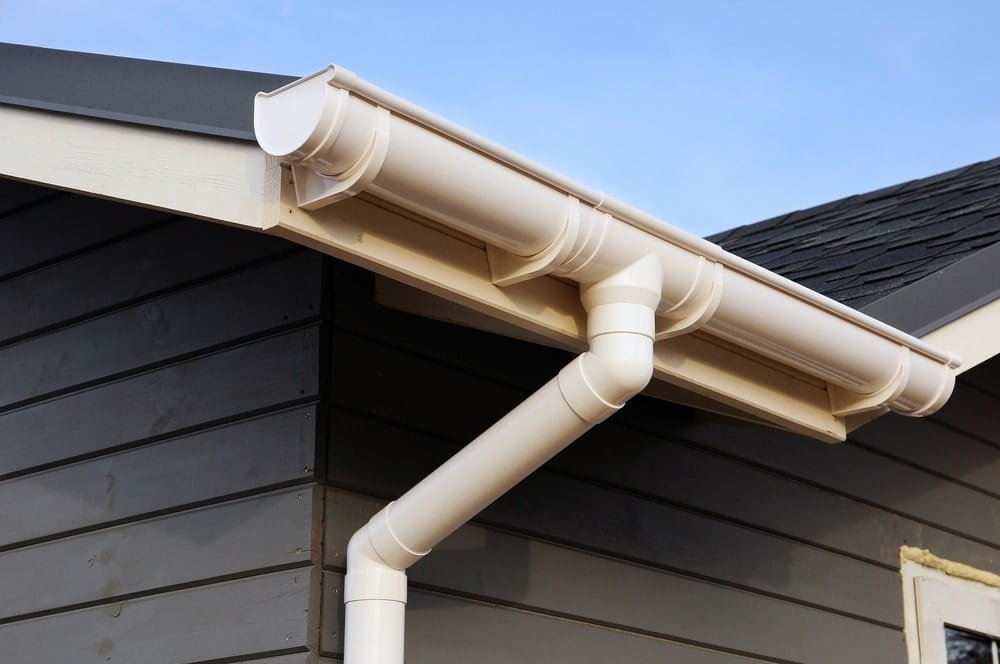
What is Drainage?
Drainage refers to the procedure of removing excess water from a specific area, efficiently rerouting it to said water is managed either on or off-site. This procedure is important to avoid waterlogging, surface overflow, and erosion, which can lead to substantial damage to home and the environment.
Kinds Of Drainage Systems
The adequacy of drainage systems largely depends on their design and the particular requirements of the area they serve. The following are the primary types of drainage systems:
| Type of Drainage | Description | Common Uses |
|---|---|---|
| Surface Drainage | Manages water that flows over the surface area of the land | Agricultural fields, yards, highways |
| Subsurface Drainage | Redirects water lying listed below the ground surface | Agricultural land, golf courses, sports fields |
| Stormwater Drainage | Manages water from precipitation occasions | Urban areas, car park, roads |
| Wastewater Drainage | Removes wastewater from Residential Guttering and commercial areas | Urban sewage systems |
| French Drains | A trench filled with gravel or rock that redirects water | Basements, structure border, lawns, and landscapes |
Value of Drainage Systems
Efficient drainage systems are crucial for several reasons:
Prevention of Water Damage: Proper drainage avoids water from pooling around foundations, which can deteriorate structures and lead to pricey repairs.
Flood Mitigation: Well-designed systems can considerably minimize the threat of flooding, safeguarding both property and human life.
Disintegration Control: By managing water circulation, drainage systems protect surfaces and keep soil integrity, avoiding erosion that can cause land loss.
Water Quality: Effective drainage helps filter out contaminants by directing excess water through treatment systems before it re-enters natural water bodies.
Floodplain Management: Proper drainage systems can help manage floodplains and improve flood action methods, especially in urban areas.
Drainage System Planning and Design
Developing an effective drainage system requires cautious planning and design. Here are crucial factors to consider:
Site Assessment: Understanding topography, soil types, and existing water circulation patterns is essential for optimal drainage design.
Regulatory Compliance: Ensuring adherence to local policies and environmental guidelines is important for authenticity and sustainability.
System Selection: Choosing the best type of drainage system based on particular requirements and website conditions is necessary.
Maintenance Plan: Developing a routine maintenance strategy assists ensure that drainage systems remain practical with time.
Secret Components of Drainage Systems
To develop an efficient drainage system, numerous components need to be thought about:
Catch Basins: These are used to collect surface water runoff and sediment, directing it into the drainage system.
Pipes: Various pipe materials (plastic, concrete, metal) may be used to funnel water through the drainage system.
Drainage Ditches: These are open channels that can efficiently transport water away from a location.
Retention Ponds: Used in city locations to gather stormwater and enable progressive absorption or release.
Grading: The land's slope requires to be designed to direct water flow away from structures and towards drainage outlets.
Maintenance of Drainage Systems
Routine maintenance is key to making sure the longevity and performance of drainage systems. Activities consist of:
Clearing Debris: Regularly removing leaves, mud, and other particles from drains and catch basins.
Inspecting Pipes: Periodic inspections to recognize fractures, clogs, or misalignments in pipelines.
Managing Vegetation: Overgrown plants near drainage systems can inhibit water flow; for that reason, routine cutting and elimination is necessary.
Testing for Erosion: Monitoring the surrounding locations for any signs of erosion and strengthening vulnerable spots.
Regularly Asked Questions (FAQs)
Q1: How typically should I maintain my drainage system?
A: It is recommended to examine and maintain drainage systems at least two times a year, more often if you live in an area prone to heavy rains or flooding.
Q2: What are common indications that my drainage system is stopping working?
A: Common indications include water pooling around the foundation, an increase in insect populations (like mosquitoes), unpleasant odors, and visible clogs.
Q3: Can I install a drainage system myself?
A: While some property owners might go with DIY installation, it is typically best to seek advice from a professional for correct assessment and prospective issues, specifically for significant drainage systems.
Q4: What products are frequently used in drainage systems?
A: Drainage systems often use plastic (PVC), concrete, metal, and perforated piping, depending upon the type of system and local policies.
Q5: What are French drains and their benefits?
A: French drains pipes are trenches filled with gravel or rock that redirect surface area and groundwater away from a location, preventing water build-up and flooding.
The significance of effective drainage systems can not be overstated. They secure residential or commercial properties from flooding, mitigate erosion, and preserve water quality. Correct planning, style, and maintenance ensure durability and functionality. As urbanization continues to rise, understanding and implementing drainage techniques ends up being significantly vital to protecting environments and neighborhoods. By prioritizing drainage management, individuals and neighborhoods can better get ready for unpredictable weather patterns and secure their financial investments from water-related damages.
댓글목록
등록된 댓글이 없습니다.

 대표이사 김무현