
본문
French Windows and Doors: A Comprehensive Guide
French doors and windows represent a timeless architectural function that brings sophistication and elegance to any home. Stemming from France throughout the Renaissance duration, these conventional components are defined by their tall, narrow style and multiple panes of glass. In this post, we will explore the history of French windows and doors, their benefits, numerous styles, and maintenance suggestions, in addition to resolving frequently asked concerns.
Table of Contents
- History of French Windows and Doors
- Benefits of French Windows and Doors
- Types of French Windows and Doors
- 3.1. French Doors
- 3.2. French Windows
- Setup and Maintenance
- Often Asked Questions (FAQs)
- Conclusion
1. History of French Windows and Doors
The principle of French doors and windows dates back to the 17th century when they were designed to enable natural light into homes while providing a smooth connection in between indoor and outside spaces. This architectural innovation became part of a broader trend that welcomed light and open spaces, showing the cultural movements of the time.
Throughout the years, these features have evolved but have retained their visual charm. French doors became popular in both urban and rural settings, often utilized as entryways to gardens, patios, or balconies.
2. Benefits of French Windows and Doors
French doors and windows provide various benefits that make them an appealing option for house owners:
- Natural Light: The substantial usage of glass enables natural sunlight to flood indoor areas, enhancing the overall atmosphere.
- Visual Appeal: Their elegant style adds a touch of elegance and class to homes, making them a focal point.
- Versatile Design: Available in various materials, styles, and colors, French doors and windows can complement any architectural theme, from standard to modern.
- Boosted Ventilation: They can be opened totally to offer exceptional airflow, enhancing indoor air quality.
- Connection to the Outdoors: French doors develop a seamless shift between indoor and outdoor locations, ideal for entertaining or relaxing in gardens or patio areas.
3. Types of French Windows and Doors
3.1. French Doors
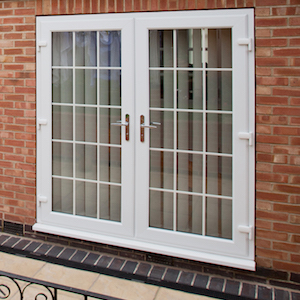
French doors are typically large, double doors that include numerous panes of glass. They often open outwards or inwards and are commonly used as entrances to outdoor patios, terraces, or gardens. French doors can be developed to swing or slide, depending upon the available space and individual preference.
Products Used for French Doors:
- Wood: Offers a classic appearance, good insulation, and can be painted or stained.
- Vinyl: Low maintenance and energy-efficient however comes in minimal colors.
- Aluminum: Durable and modern, frequently used in contemporary styles.
3.2. French Windows
French windows are similar to French doors but are usually narrower and utilized as basic windows. They can be fully hinged or can open from a center point. They are frequently adorned with ornamental trim and can also be used in sets to create a larger opening.
Products Used for French Windows:
- Wood: Provides heat and elegance however needs regular upkeep.
- PVC: Low-maintenance and energy-efficient, perfect for modern-day homes.
- Aluminum: Provides toughness, is resistant to deterioration, and needs minimal upkeep.
4. Setup and Maintenance
Setup Tips:
- Hiring an expert installer is a good idea to guarantee best alignment and sealing, especially for exterior doors/windows.
- Correct measurements are vital for fitting, as both the door/window and the frame must align completely.
- Make sure that the picked design matches your home's style and abides by local building policies.
Upkeep Tips:
- Regularly tidy the glass panes to keep clearness and exposure.
- Examine seals and weather condition stripping periodically to prevent drafts and wetness intrusion.
- For wood frames, check for signs of degeneration or rot and apply sealants or paint as needed.
5. Frequently Asked Questions (FAQs)
Q1: What is the distinction in between French windows and French doors?A1: French windows are designed as window systems, typically narrower than doors, while French doors are larger and act as doorways to outside areas. Q2: Can French doors be utilized for entryways?A2: Yes, they are frequently used as entry points to patio areas, gardens, or terraces, including beauty to home entrances. Q3: Are French windows and doors energy efficient?A3: Yes, lots of manufacturers provide energy-efficient
choices with double or triple glazing, ensuring optimum insulation to reduce heating & cooling costs. Q4: Do French doors need a great deal of maintenance?A4: Maintenance varies by material. Wood frames require routine painting or sealing, whereas PVC and
aluminum need minimal upkeep. Q5: Can I
tailor my French windows and doors?A5: Absolutely! They can be tailored in terms of size, color, material, and style to fit the particular aesthetic and
practical needs of your home. 6. Conclusion French doors and windows are a classic addition to any home, supplying both aesthetic appeal and practical advantages. With their origins soaked in history and their flexibility to adjust to modern design, they continue to be a preferred option for house owners. From bringing natural light into the home to creating a stunning transition between indoor and outside spaces, French doors and windows embody both beauty and practicality. Correct installation and maintenance will ensure that these traditional functions stay a stunning aspect of home style for many years to come.
댓글목록
등록된 댓글이 없습니다.

 대표이사 김무현