
본문
* Relocated product photos to the left portion, with product information and call-to-action buttons on the right
* Modified the photo slider to progress from right to left
* Incorporated a custom Arabic font that kept clarity at various dimensions
For a high-end commerce client, we developed a complex dual-language framework that seamlessly adapted structure, menus, and material organization based on the active language. This approach enhanced their visitor interaction by one hundred forty-three percent.
I toured a web design agency in Jeddah last week where they presented me the contrast between their template-based and custom projects. The visual impact was instantly noticeable – the unique sites appeared unmistakably more professional and distinctive.
Recently, a business owner lamented that his platform strategy was costing considerable sums of riyals with disappointing performance. After analyzing his approach, I pinpointed numerous fundamental problems that are extremely typical among Saudi businesses.
As someone who has developed over 30 Arabic websites in the past five years, I can confirm that applying Western UX principles to Arabic interfaces fails miserably. The special features of Arabic language and Saudi user preferences require a totally unique approach.
Essential exclusivity elements to consider for positioning:
* Modest demonstration vs. evident showing
* Group affirmation of status
* Accomplishment focus alongside inheritance recognition
* Sharing manifestation as exclusivity indication
* Religious alignment of luxury consumption
Throughout my latest project for a investment company in Riyadh, we observed that users were frequently selecting the wrong navigation options. Our behavior analysis showed that their attention naturally moved from right to left, but the important navigation items were placed with a left-to-right importance.
* Created a figure visualization approach that handled both Arabic and English numerals
* Reorganized data visualizations to flow from right to left
* Implemented visual indicators that matched Saudi cultural meanings
Important components included:
* Reversed layouts for RTL scanning
* Script-optimized fonts
* Culturally relevant graphics for each language version
* Consistent visual language across dual implementations
A few weeks ago, a retail client contacted me after using over 300,000 SAR on unsuccessful paid advertising. After redesigning their approach, we generated a four hundred seventy-three percent improvement in advertising efficiency.
 Through detailed analysis for a food delivery company, we identified that promotions presented between night time dramatically outperformed those shown during traditional peak hours, achieving substantially greater sales.
* Choose fonts specifically designed for Arabic digital advertising agency Riyadh display (like Dubai) rather than traditional print fonts
* Expand line leading by 150-175% for better readability
* Set right-oriented text (never middle-aligned for body text)
* Avoid condensed Arabic text styles that reduce the distinctive letter shapes
The improvements featured:
* Prominent presentation of physical presence address
* Inclusion of preferred payment methods like local services
* Comprehensive refund procedures with local context
* Arabic customer service availability
After extended periods of disappointing results despite significant advertising spending, their improved differentiation produced a three hundred twelve percent improvement in product choice and a 187% growth in sales.
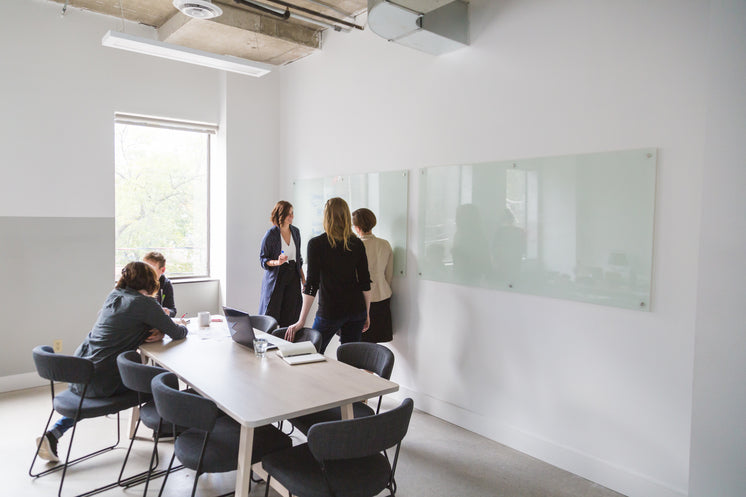 A best digital marketing agency in Saudi Arabia business revolutionized their market performance by executing a repositioning approach that combined advancement with established practices. This strategy increased their brand appeal by 142%.
* Realigning action buttons to the right area of forms and interfaces
* Rethinking information hierarchy to flow from right to left
* Adapting interactive elements to match the right-to-left viewing pattern
* Redesigned the data entry sequence to match right-to-left cognitive patterns
* Built a Arabic-English input mechanism with automatic language changing
* Improved mobile interactions for right-handed Arabic input
* Clearly mark which language should be used in each form element
* Intelligently change keyboard input based on field expectations
* Locate input descriptions to the right side of their connected inputs
* Confirm that system feedback appear in the same language as the required input
* Place the most essential content in the upper-right corner of the viewport
* Structure content blocks to advance from right to left and top to bottom
* Apply stronger visual weight on the right side of symmetrical designs
* Confirm that pointing icons (such as arrows) orient in the correct direction for RTL designs
A few weeks ago, I was helping a prominent e-commerce company that had spent over 200,000 SAR on a beautiful website that was converting poorly. The reason? They had just converted their English site without addressing the fundamental UX differences needed for Arabic users.
* Modified the photo slider to progress from right to left
* Incorporated a custom Arabic font that kept clarity at various dimensions
For a high-end commerce client, we developed a complex dual-language framework that seamlessly adapted structure, menus, and material organization based on the active language. This approach enhanced their visitor interaction by one hundred forty-three percent.
I toured a web design agency in Jeddah last week where they presented me the contrast between their template-based and custom projects. The visual impact was instantly noticeable – the unique sites appeared unmistakably more professional and distinctive.
Recently, a business owner lamented that his platform strategy was costing considerable sums of riyals with disappointing performance. After analyzing his approach, I pinpointed numerous fundamental problems that are extremely typical among Saudi businesses.
As someone who has developed over 30 Arabic websites in the past five years, I can confirm that applying Western UX principles to Arabic interfaces fails miserably. The special features of Arabic language and Saudi user preferences require a totally unique approach.
Essential exclusivity elements to consider for positioning:
* Modest demonstration vs. evident showing
* Group affirmation of status
* Accomplishment focus alongside inheritance recognition
* Sharing manifestation as exclusivity indication
* Religious alignment of luxury consumption
Throughout my latest project for a investment company in Riyadh, we observed that users were frequently selecting the wrong navigation options. Our behavior analysis showed that their attention naturally moved from right to left, but the important navigation items were placed with a left-to-right importance.
* Created a figure visualization approach that handled both Arabic and English numerals
* Reorganized data visualizations to flow from right to left
* Implemented visual indicators that matched Saudi cultural meanings
Important components included:
* Reversed layouts for RTL scanning
* Script-optimized fonts
* Culturally relevant graphics for each language version
* Consistent visual language across dual implementations
A few weeks ago, a retail client contacted me after using over 300,000 SAR on unsuccessful paid advertising. After redesigning their approach, we generated a four hundred seventy-three percent improvement in advertising efficiency.
Through detailed analysis for a food delivery company, we identified that promotions presented between night time dramatically outperformed those shown during traditional peak hours, achieving substantially greater sales.* Choose fonts specifically designed for Arabic digital advertising agency Riyadh display (like Dubai) rather than traditional print fonts
* Expand line leading by 150-175% for better readability
* Set right-oriented text (never middle-aligned for body text)
* Avoid condensed Arabic text styles that reduce the distinctive letter shapes
The improvements featured:
* Prominent presentation of physical presence address
* Inclusion of preferred payment methods like local services
* Comprehensive refund procedures with local context
* Arabic customer service availability
After extended periods of disappointing results despite significant advertising spending, their improved differentiation produced a three hundred twelve percent improvement in product choice and a 187% growth in sales.
A best digital marketing agency in Saudi Arabia business revolutionized their market performance by executing a repositioning approach that combined advancement with established practices. This strategy increased their brand appeal by 142%.* Realigning action buttons to the right area of forms and interfaces
* Rethinking information hierarchy to flow from right to left
* Adapting interactive elements to match the right-to-left viewing pattern
* Redesigned the data entry sequence to match right-to-left cognitive patterns
* Built a Arabic-English input mechanism with automatic language changing
* Improved mobile interactions for right-handed Arabic input
* Clearly mark which language should be used in each form element
* Intelligently change keyboard input based on field expectations
* Locate input descriptions to the right side of their connected inputs
* Confirm that system feedback appear in the same language as the required input
* Place the most essential content in the upper-right corner of the viewport
* Structure content blocks to advance from right to left and top to bottom
* Apply stronger visual weight on the right side of symmetrical designs
* Confirm that pointing icons (such as arrows) orient in the correct direction for RTL designs
A few weeks ago, I was helping a prominent e-commerce company that had spent over 200,000 SAR on a beautiful website that was converting poorly. The reason? They had just converted their English site without addressing the fundamental UX differences needed for Arabic users.
댓글목록
등록된 댓글이 없습니다.

 대표이사 김무현