
본문
Within the bustling halls of an NHS hospital in Birmingham, a young man named James Stokes carries himself with the measured poise of someone who has found his place. His polished footwear move with deliberate precision as he exchanges pleasantries with colleagues—some by name, others with the familiar currency of a "good morning."
James wears his NHS lanyard not merely as a security requirement but as a testament of inclusion. It hangs against a well-maintained uniform that betrays nothing of the tumultuous journey that led him to this place.

What separates James from many of his colleagues is not visible on the surface. His demeanor discloses nothing of the fact that he was among the first recruits of the NHS Universal Family Programme—an initiative created purposefully for young people who have experienced life in local authority care.
"The Programme embraced me when I needed it most," James says, his voice controlled but tinged with emotion. His observation captures the heart of a programme that seeks to revolutionize how the vast healthcare system approaches care leavers—those often overlooked young people aged 16-25 who have transitioned from the care system.
The statistics paint a stark picture. Care leavers often face greater psychological challenges, financial instability, housing precarity, and diminished educational achievements compared to their peers. Underlying these cold statistics are human stories of young people who have traversed a system that, despite genuine attempts, often falls short in delivering the supportive foundation that forms most young lives.
The NHS Universal Family Programme, established in January 2023 following NHS England's commitment to the Care Leaver Covenant, represents a substantial transformation in systemic approach. At its heart, it acknowledges that the complete state and civil society should function as a "universal family" for those who haven't experienced the security of a typical domestic environment.
Ten pathfinder integrated care boards across England have charted the course, creating systems that rethink how the NHS—one of Europe's largest employers—can create pathways to care leavers.
The Programme is thorough in its strategy, starting from thorough assessments of existing procedures, establishing oversight mechanisms, and obtaining executive backing. It acknowledges that successful integration requires more than good intentions—it demands tangible actions.
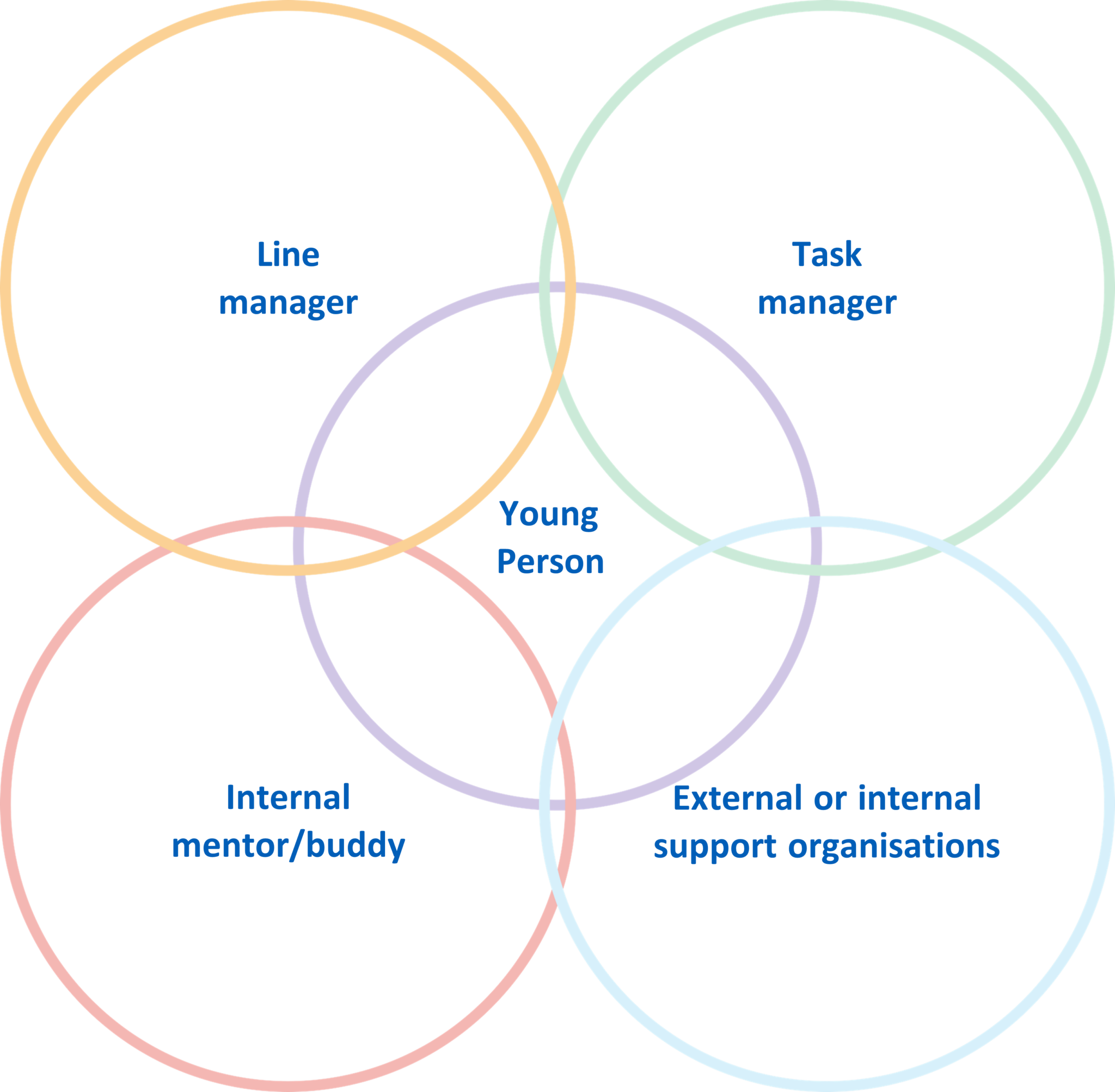
In NHS Birmingham and Solihull ICB, where James started his career, they've created a consistent support system with representatives who can provide support, advice, and guidance on wellbeing, HR matters, recruitment, and inclusivity efforts.
The standard NHS recruitment process—formal and possibly overwhelming—has been thoughtfully adapted. Job advertisements now focus on character attributes rather than numerous requirements. Application processes have been reconsidered to consider the particular difficulties care leavers might encounter—from lacking professional references to facing barriers to internet access.
Maybe most importantly, the Programme understands that beginning employment can present unique challenges for care leavers who may be navigating autonomy without the backup of parental assistance. Concerns like commuting fees, identification documents, and banking arrangements—considered standard by many—can become substantial hurdles.
The beauty of the Programme lies in its thorough planning—from clarifying salary details to providing transportation assistance until that essential first salary payment. Even apparently small matters like coffee breaks and workplace conduct are deliberately addressed.
For James, whose career trajectory has "revolutionized" his life, the Programme delivered more than a job. It provided him a feeling of connection—that intangible quality that emerges when someone feels valued not despite their past but because their particular journey improves the workplace.
"Working for the NHS isn't just about doctors and nurses," James notes, his expression revealing the quiet pride of someone who has secured his position. "It's about a family of different jobs and roles, a group of people who truly matter."
The NHS Universal Family Programme represents more than an work program. It stands as a powerful statement that institutions can adapt to welcome those who have navigated different paths. In doing so, they not only transform individual lives but enhance their operations through the distinct viewpoints that care leavers provide.
As James navigates his workplace, his participation quietly demonstrates that with the right support, care leavers can flourish in environments once deemed unattainable. The support that the NHS has provided through this Programme represents not charity but acknowledgment of untapped potential and the essential fact that all people merit a support system that champions their success.
댓글목록
등록된 댓글이 없습니다.

 대표이사 김무현