
본문
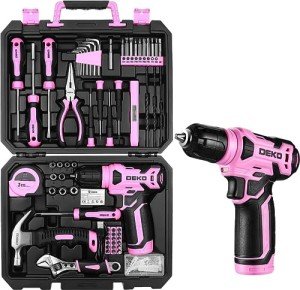
The Essential Tool Kit Builder: Crafting Your Ultimate Toolkit for Success
In any profession or pastime, having the right tools can make all the difference. From building to art, education to tech start-ups, a well-constructed toolkit not only helps in achieving jobs efficiently but also enhances imagination and efficiency. In this article, we will explore the aspects of a great tool kit, how to Build Your Own Tool Kit one customized to your particular needs, and resolve some often asked questions regarding Electric Tool Set kit building.
Why Building a Tool Kit is Essential
A tool kit, despite the context, acts as a curated collection of resources that simplify procedures, solve issues, and elevate results. The following table describes the benefits of having a well-structured tool kit:
| Benefits of a Tool Kit | Description |
|---|---|
| Effectiveness | Reduces time spent looking for tools or resources. |
| Quality | Increases the quality of output through best-in-class tools. |
| Innovation | Fosters creativity by supplying varied resources. |
| Accessibility | Centralizes whatever in one location, making it simple to gain access to required tools at any moment. |
| Skill Development | Encourages discovering new methods and enhancing existing abilities through varied tools. |
Steps to Build Your Tool Kit
Building a tool kit includes examining your requirements, researching possible tools, and organizing them effectively. Here's a structured technique:
1. Determine Your Goals
Start with a clear understanding of what you want to accomplish with your tool kit. Note your short-term and long-term goals:
- Short-Term: What immediate tasks will the toolkit help in?
- Long-Term: What skills or projects may it help establish in the future?
2. Examine Your Current Tools
Evaluation any existing tools you have. Recognize spaces and locations for enhancement. Produce a table to compare what you have versus what you require.
| Present Tools | Gaps | Potential Tools Needed |
|---|---|---|
| Hammers | Missing out on a sledgehammer | Sledgehammer |
| Screwdrivers | No accuracy screwdrivers | Accuracy screwdriver set |
| Paintbrushes | Restricted sizes | Variety of paintbrush sizes |
3. Research
Examine and gather information on various tools that fit the needs you've identified. Think about quality, resilience, and user reviews.
4. Categorize Tools
When you have a detailed list, categorize your tools based on their use. Typical categories may consist of:
- Basic Tools: Hammers, screwdrivers, pliers
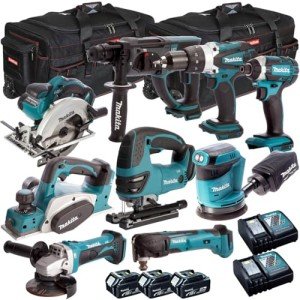
- Power Tool Combo Set Tools: Drills, saws, sanders
- Specialized Tools: Laser levels, woodworking jigs
- Digital Tools: Software platforms, apps, online resources
5. Organize and Store
Produce a storage solution for your tool kit. This can vary from a toolbox with compartments to cloud storage for digital tools. Organizing tools successfully can boost your effectiveness. Here are some storage services:
| Storage Solution | Advantages | Best For |
|---|---|---|
| Toolbox | Portable, protected | Physical tools |
| Wall-mounted racks | Space-saving, displays tools | Workshops, garages |
| Cloud storage services | Remotely available, collective | Digital tools and documents |
6. Evaluation and Update Regularly
A tool kit is not a static entity. Frequently evaluating and updating your toolkit can help you remain current with trends and innovations.
Example Toolkit for Various Fields
To provide you a clearer idea of what a tool kit builder kit might look like in practice, here are examples for 3 unique professions:
1. A Teacher's Toolkit
| Tool | Purpose |
|---|---|
| Whiteboard markers | Mentor and brainstorming |
| Projector | Visual presentations and multimedia |
| Class apps | Interactive learning and assessments |
| Organizational tools | Lesson planning and tracking |
2. A DIY Home Improvement Kit
| Tool | Function |
|---|---|
| Cordless drill | Easy setup and assembly |
| Level | Ensuring straight lines and precision |
| Tape measure | Precise measurements |
| Paint supplies | Aesthetic updates to areas |
3. A Digital Marketer's Toolkit
| Tool | Function |
|---|---|
| SEO software application | Enhancing website exposure |
| Social media management tools | Scheduling and monitoring posts |
| Material development tools | Designing captivating visuals |
| Analytics software | Determining efficiency and ROI |
Often Asked Questions (FAQ)
Q1: How often should I update my tool kit?
A: It is recommended to review your tool kit regularly-- at least as soon as or twice a year-- depending on changes in your field or advancements in innovation.
Q2: Can a tool kit be both physical and digital?
A: Absolutely! Numerous specialists combine both physical and digital tools to optimize their efficiency in various jobs.
Q3: How do I choose which tools are necessary for my toolkit?
A: Prioritize tools based on your objectives and requirements. Research study and seek suggestions from skilled professionals in your market.
Q4: Is it required to purchase high-end tools?
A: While high-end tools frequently offer much better toughness and efficiency, you don't constantly need the most costly alternatives. Evaluate quality through reviews and consider mid-range tools if you're on a budget plan.
Q5: Can I customize my tool kit gradually?
A: Yes! A tool kit need to develop based upon your growing abilities, altering requirements, and advancements in innovation.
Building a reliable tool kit can be a transformative venture, no matter the field. By strategically collecting tools, organizing them efficiently, and routinely upgrading your choices, you can produce a trusted resource that improves your professional or individual endeavors. Whether you are an instructor, a home DIYer, or a digital marketing professional, a sturdy toolkit is indispensable for attaining your goals and exceeding expectations. Start the procedure today toward crafting your own optimum tool kit and enjoy your creativity and performance skyrocket.
댓글목록
등록된 댓글이 없습니다.

 대표이사 김무현