
본문
Content
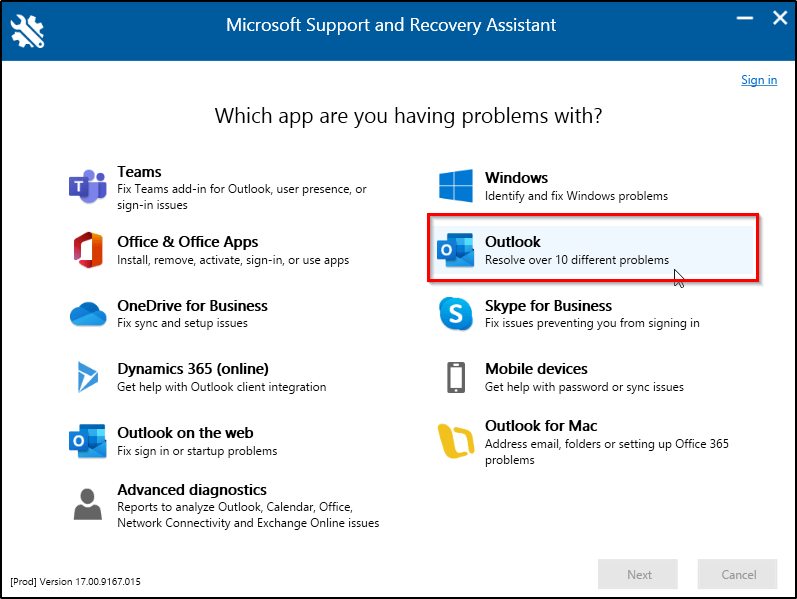
When you clear out those old records, your system shortens the time it takes to resolve domain names—meaning that websites can load faster. Studies have shown that up Office 365 sync problems and login fixes to 30% of total page load times can be due to DNS resolution delays. Tackling these potential slowdowns directly can lead to more efficient surfing. Please add IMAP and SMTP settings to your Outlook app, you'll need to manually configure the account settings.

Step I: Restart Your Computer
Sometimes trouble can originate from the router side of things rather than your individual device. Restarting your how to fix Outlook not opening today router can refresh its internal processes much like restarting a computer would do for your operating system. One of the main benefits of flushing your DNS is the refreshing of these stored records.
Method 6: Reduce Outlook Data File (OST) Size
Flushing the DNS cache on your MacBook Pro running macOS Ventura is an Office 365 sync problems and login fixes essential troubleshooting step that can help resolve connectivity issues often caused by outdated or corrupted entries. Additionally, if your system feels sluggish, it’s a good idea to delete applications that are no longer needed to free up space and improve overall performance. Over time, as you browse and download various files, your system may store incorrect DNS information that leads to frustrating loading errors or inability to connect to certain websites. A few simple commands in Terminal can refresh this data and regain your network connection. The first step in your troubleshooting toolkit is simply restarting your computer.
Can’t connect to Outlook after a reboot until DNS is flushed.
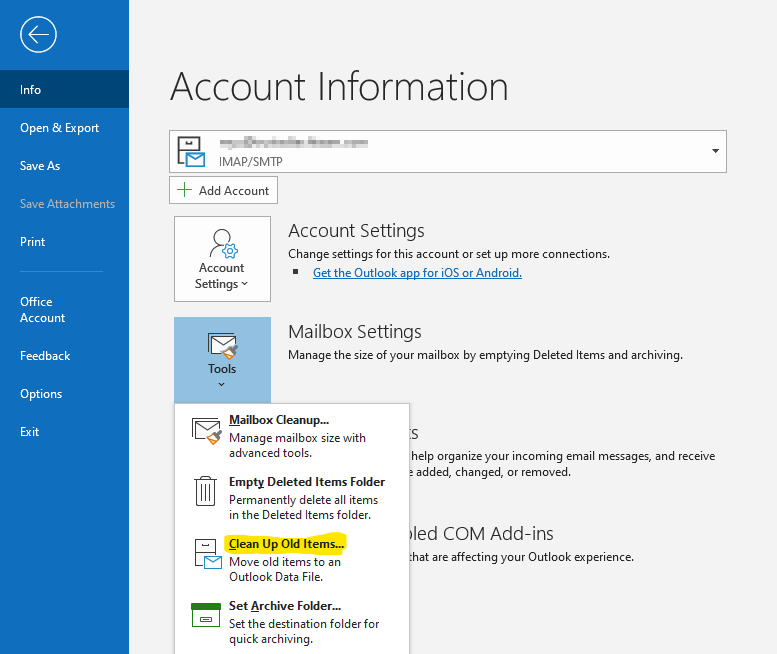
You can experience sync issues in Outlook due to poor or no network connectivity. So, first check if your internet connection is stable and working properly. If the connection is slow or inconsistent, you can restart the router or contact your internet provider/IT admin for help. Should problems continue after flushing your cache, examining additional factors like connectivity settings or even external influences such as your internet service provider might be worthwhile. Regular maintenance improves performance and helps ensure a seamless browsing experience.
- The first step in your troubleshooting toolkit is simply restarting your computer.
- To flush the DNS cache, you can open the Command Prompt on Windows and enter the command `ipconfig /flushdns`.
- This often happens because the cached DNS record is stale or incorrect.
- Flushing your DNS cache plays a crucial role in resolving connectivity issues that can disrupt your online experience.
- Each of these commands plays a vital role—essentially refreshing your system’s memory regarding domain names.
- Should problems continue after flushing your cache, examining additional factors like connectivity settings or even external influences such as your internet service provider might be worthwhile.
- When it comes to troubleshooting your internet connection, understanding how a simple act like flushing your DNS cache can remedy multiple problems is key.
RFC 5322 laid down email security specifications for Sender Policy Framework
After hitting Enter, you might not see any visible feedback. This lack of response simply means that the command was successful. Occasionally, users may flush their DNS cache only to realize that issues persist, such as slow-loading sites or connection errors. These may be attributed to more than just outdated records; they could include other underlying network issues.
댓글목록
등록된 댓글이 없습니다.

 대표이사 김무현