
본문
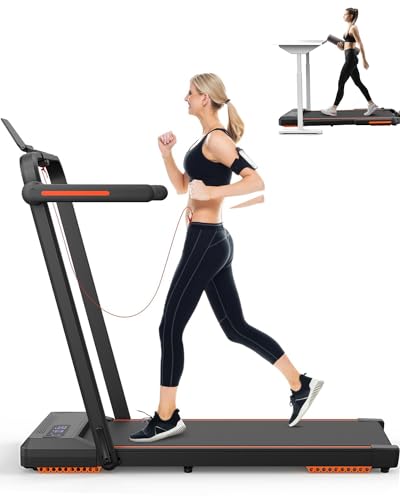
The Rise of Non-Electric Treadmills in the UK
In a period dominated by innovation and electric-powered home fitness equipment, the non-electric treadmill is making a surprising comeback in the UK. Popular for its ecological advantages and simpleness, these treadmills are becoming a staple in numerous homes, gyms, and wellness facilities. In this post, we will check out the advantages, features, and numerous kinds of non-electric treadmills available in the UK.
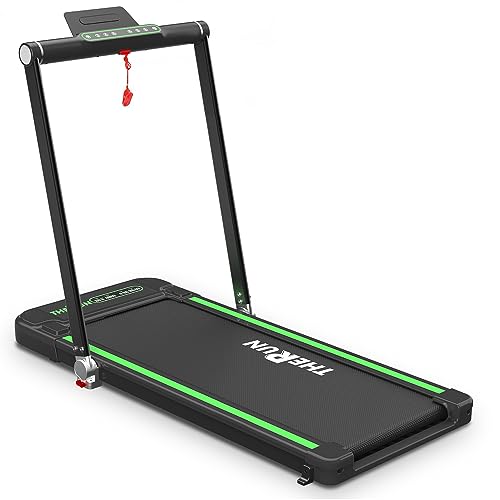
What is a Non-Electric Treadmill?
A non-electric treadmill, typically referred to as a Manual Running Machine treadmill, is a piece of fitness equipment that does not count on electrical power to operate. Rather, it utilizes the user's body weight and motion to power the belt. This type of treadmill is designed for those who prefer a more standard, eco-friendly technique to their workouts.
Table 1: Comparison of Electric vs. Non-Electric Treadmills
| Function | Electric Treadmill | Non Motorised Treadmill Uk-Electric Treadmill |
|---|---|---|
| Source of power | Needs electricity | No power source required |
| Portability | Typically heavy and large | Normally lighter and simpler to move |
| Environmental Impact | Utilizes electricity | Environment-friendly, no electricity intake |
| Maintenance | May need electrical upkeep | Needs minimal upkeep |
| Exercise Intensity | Adjustable speed and incline settings | User-controlled speed and strength |
| Price Range | ₤ 150 - ₤ 2000+ | ₤ 100 - ₤ 700+ |
Benefits of Non-Electric Treadmills
Eco-Friendly: One of the primary advantages of non-electric treadmills is their minimal environmental effect. Without the need for electricity, users can take part in their workouts guilt-free.
Cost-efficient: Manual treadmills are normally more budget-friendly than their electric equivalents, making them an accessible choice for many households.
Space-Saving Design: Most non-electric treadmills are compact and foldable, making them an excellent choice for smaller home.
Effective Workouts: Manual treadmills can offer a more intense workout, as users control the speed and incline, permitting them to engage their muscles better.
Durability: With fewer electronic elements, non-electric treadmills frequently have a longer lifespan and need less upkeep.
Popular Types of Non-Electric Treadmills in the UK
1. Manual Treadmills
These treadmills feature a flat running surface area and require the user to press the belt using their legs. They are simple and best for newbies.
2. Curved Treadmills
Developed with a curved track, these treadmills permit a more natural running movement. Users can adjust their speed and intensity based upon their motion, providing a special exercise experience.
3. Hybrid Treadmills
Hybrid designs use both manual and electric options. Users can change in between modes depending upon their fitness objectives and choices.
Recommended Non-Electric Treadmills in the UK
Picking the best Non Electric Treadmill-electric treadmill can be tough, offered the variety of choices readily available. Below is a list of highly-rated non-electric treadmills offered in the UK market:
| Treadmill Model | Rate (Approx) | Key Features |
|---|---|---|
| Fitness Reality TR3000 | ₤ 199 | Adjustable slope, foldable style |
| JLL T350 | ₤ 229 | Curved running deck, light-weight |
| Reebok Jet 100 | ₤ 299 | Hybrid model, easy to use user interface |
| NordicTrack T12 | ₤ 450 | Built-in workout programs, strong style |
Tips for Using a Non-Electric Treadmill
To make the most of the advantages of a non-electric treadmill, think about the following suggestions:
Start Slowly: If you're new to Manual Treadmill For Home treadmills, start with brief sessions to develop your endurance.
Concentrate on Form: Maintain appropriate running or walking posture to avoid injuries and guarantee a reliable exercise.
Slowly Increase Intensity: As you become more comfy, slowly increase the speed and period of your workouts.
Incorporate Interval Training: Non-electric treadmills are ideal for interval training, where you can alternate between high-intensity bursts and healing durations.
Stay Hydrated: Always keep water close-by to stay hydrated during workouts, particularly when pressing your limits.
FAQ about Non-Electric Treadmills
Q1: Are non-electric treadmills appropriate for everyone?
A1: Yes, non-electric treadmills can be suitable for people of all fitness levels. However, novices must begin gradually to enable their muscles to change.
Q2: How do I maintain a non-electric treadmill?
A2: Minimal maintenance is required. Routinely look for loose screws or parts and tidy the running surface to extend its life-span.
Q3: Can I use a non-electric treadmill for running?
A3: Absolutely! Non-electric treadmills are terrific for both Walking Machine and running. The manual nature allows users to engage more muscles.
Q4: Are non-electric treadmills quieter than electric ones?
A4: Generally, non-electric treadmills are quieter, as they do not utilize a motor. The sound mainly originates from the user's motions.
Q5: What is the weight capacity for non-electric treadmills?
A5: Most non-electric treadmills can support weights ranging from 100kg to 150kg, however it's important to inspect the manufacturer's specifications.
As the physical fitness landscape continues to develop, Non Electric Treadmill-electric treadmills in the UK are taking their specific niche. Using an environmentally friendly, affordable, and efficient methods of exercise, these machines supply users with an uncomplicated way to get fit without the complexity of electrical systems. Whether you are aiming to purchase your very first treadmill or update your old one, consider the benefits of going manual. Pleased running!
댓글목록
등록된 댓글이 없습니다.

 대표이사 김무현