
본문
Comprehensive Guide to Composite Door Hardware Fixes
composite door repair service doors have actually gained tremendous popularity due to their sturdiness, aesthetic appeal, and energy efficiency. Nevertheless, like any setup, they can experience hardware issues with time. Comprehending how to fix common problems with composite pocket door repair door hardware can save house owners both time and money. This post will check out typical hardware concerns, possible repairs, and preventative steps, providing a detailed guide for anyone aiming to maintain their composite doors.
Comprehending Composite Door Hardware
experienced composite door repair doors include various materials such as PVC, wood, and insulation, creating a robust structure. The hardware elements consist of hinges, locks, handles, and door frames. Each part plays a pivotal role in the door's overall performance.
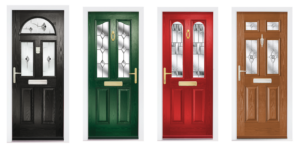
Typical Composite Door Hardware Issues
| Issue | Description | Possible Causes |
|---|---|---|
| Misalignment | The door may not close properly or is challenging to open. | Settling, worn hinges, weathering |
| Lock Malfunction | The lock may jam or fail to engage effectively. | Rust, bad installation, wear |
| Handle Problems | The handle may feel loose or unresponsive. | Loose screws, damaged parts |
| Weather Stripping Failure | Inefficient sealing causing drafts and leakages. | Wear and tear, incorrect setup |
| Hinges Squeaking | Hinges might produce sound when opening or closing the door. | Absence of lubrication, rust |
Repairing Common Hardware Issues
1. Misalignment
Symptoms: The door sticks, does not close totally, or produces gaps when shut.Fix: Step
1:
- Inspect the hinges for any noticeable wear or damage. Step 2: Tighten loose screws
- on the hinges. Step 3: Adjust the position of the
- door by loosening up hinge screws somewhat, straightening the door, and retightening. Tools Required: Screwdriver, level.
2. Lock Malfunction Symptoms: Difficulty in turning the
secret, feeling stuck, or
totalfailure to engage.Fix: Step 1: Apply graphite lube to the lock mechanism. Action 2: If the problem continues, dismantle the lock
to clear debris and rust. Step 3: Replace the lock cylinder ifdamaged beyond repair. Tools Required: Lubricant, screwdriver. 3. Handle Problems Signs: Loose handle or unresponsive action.Fix: Step 1: Check the screws securing the handle.Action 2: Tightenany loose screws or replace them if
stripped. Action 3:
If the handle is still problematic, consider replacing the handle assembly. Tools Required
: Screwdriver. 4. Weather Condition Stripping FailureSigns: Drafts entering through gaps, wetness accumulation.Fix: Step 1: Inspect the weather stripping for tears or use. Step 2: Remove old weather removing utilizing an utility knife.Action 3: Clean the surface and apply brand-new, self-adhesive weather condition stripping. Tools Required: Utility knife, replacement weather condition removing. 5. Hinges Squeaking Symptoms: Noise during operation, suggesting friction or absence oflubrication.Fix: Step 1: Remove any noticeable dirt or particles from the hinges. Action 2: Apply a lube specifically developed for door hinges(e.g.,silicone spray or oil). Action 3: Move the door back and forth to disperse the lube. Tools Required: Lubricant. Preventative Measures To avoid the need for extensive repairs, think about
these preventative procedures: Routine Maintenance: Regularly inspect door hardware and perform small maintenance,such as
lubricating hinges and tightening screws. Proper Installation: Ensure professional installation of all components to decrease alignment problems. Sealing: Check weather condition removing and change it at the start of winter season and summertimeseasons to keep energy effectiveness. Avoid Excessive Force: Encourage household members totreat the door gently, avoiding slamming or unnecessary force. FAQs Q1: How
typically should I preserve my composite sliding door repair door hardware? A: It is recommended to perform an examination
and maintenance at least twice a year, ideally in spring and fall, to guarantee all components are working efficiently. Q2: What kind of lubricant is best for door locks? A: Graphite powder is highly advised as it does not attract dirt and grime unlike oil-based lubricants, which can result in clog. Q3: Can I change hardware parts myself? A: Yes, a lot of hardware parts can be changed by house owners with fundamental DIY skills. Simply ensure that you have theright tools and replacement parts. Q4: What should I do if my door is still misaligned after adjustment? A: If adjustment does not deal with the problem, consider seeking advice from a professional to look for structural issues or to replacedefective hardware. Q5: Is it necessary to replace the whole door if the hardware is faulty? A: Not necessarily. Many hardware problems can be fixed with repairs or replacement of particular
elements. Full door replacement is generally a last hope. composite door repair tips door hardware problems can be a typical incident, but many issues can be easily identified and repaired. Routine maintenance not just extends the life of the hardware but
also ensures security and comfort for property owners. Geared up
with this extensive guide, individuals can successfully tackle common issues, making the maintenance of emergency composite Door Repair doors a more workable task.
댓글목록
등록된 댓글이 없습니다.

 대표이사 김무현