
본문
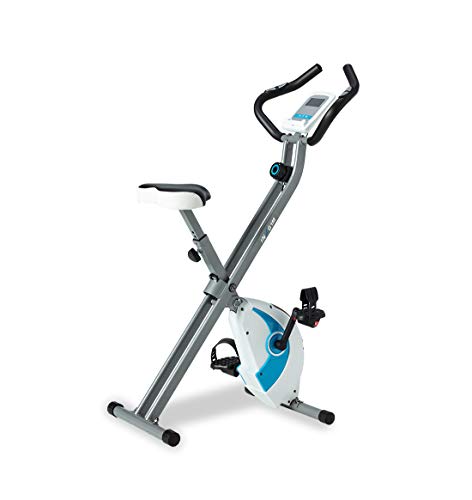
The Ultimate Guide to Stationary Bikes: Your Ticket to Effective Indoor Cycling
In the last few years, stationary bikes have actually surged in popularity as an available and effective method to remain fit. Whether you're wanting to shed pounds, build endurance, or just incorporate more physical activity into your everyday routine, a stationary bicycle can be a great addition to your home health club or fitness routines. In this detailed guide, we'll look into the various types of stationary bikes, their advantages, and ideas for making the many of your workouts.
Tabulation
- Introduction to Stationary Bikes
- Types of Stationary Bikes
- 2.1 Upright Bikes
- 2.2 Recumbent Bikes
- 2.3 Spin Bikes
- Benefits of Using a Stationary Bike
- Key Features to Consider
- Tips for Effective Workouts
- Frequently Asked Questions (FAQ)
- Conclusion
1. Introduction to Stationary Bikes
Fixed bikes have ended up being synonymous with home exercises, particularly with the increase of physical fitness innovation and virtual classes. These bikes provide a low-impact cardiovascular workout that can be tailored to various fitness levels. They are appropriate for everybody-- from seasoned athletes to people simply beginning their physical fitness journeys.
Table 1: Stationary Bikes Market Growth
| Year | Market Size (in million GBP) | Growth Rate (%) |
|---|---|---|
| 2020 | 420 | 8.3 |
| 2021 | 455 | 8.3 |
| 2022 | 510 | 12.1 |
| 2023 | 575 | 12.7 |
| 2024 | 650 | 13.1 |
2. Kinds Of Stationary Bikes
Comprehending the different kinds of stationary bikes can help people select the ideal devices for their needs.
2.1 Upright Bikes
Upright bikes are the most conventional type of fixed bikes, created to mimic the feel of riding a routine bicycle. They have a seat placed above the pedals and offer an exercise that primarily targets the legs, core, and cardiovascular system.
2.2 Recumbent Bikes
Recumbent bikes feature a bigger, more comfy seat with a backrest, enabling for a more unwinded workout position. This type is specifically advantageous for people with back problems or those seeking a gentler exercise alternative.
2.3 Spin Bikes
Spin bikes are developed for high-intensity exercises, typically used in group classes. They have a more adjustable resistance system, allowing riders to increase difficulties considerably, while also including a sturdy frame that can withstand energetic motions.
Table 2: Comparison of Bike Types
| Feature | Upright Bike | Recumbent Bike | Spin Bike |
|---|---|---|---|
| Seat Position | Upright | Reclined | Upright |
| Back-rest | No | Yes | No |
| Adjustable Resistance | Yes | Yes | Yes |
| Perfect For | General Fitness | Rehab | High-Intensity Training |
3. Advantages of Using a Stationary Bike
The advantages of including a stationary bike into one's fitness regimen are various:
- Cardiovascular Health: Regular cycling increases heart rate, improving cardiovascular health and endurance.
- Low-Impact Exercise: Stationary bikes offer a low-impact exercise, minimizing the threat of injury, especially for those with joint problems.
- Personalized Workouts: Users can quickly change resistance and slope to fit their physical fitness levels.
- Convenience: With a fixed bike in the house, people can exercise anytime, irrespective of weather or time constraints.
- Burning Calories: An effective way to burn calories, stationary bikes can aid in weight management and fat loss.
- Engagement: Many bikes included interactive screens or connection to physical fitness apps, keeping workouts engaging and motivating.
4. Key Features to Consider
When selecting a stationary bicycle, consider the following functions to guarantee you select the best fit:
- Adjustable Seat: A seat that can be changed both vertically and horizontally enables a more comfy and ergonomic fit.
- Resistance Levels: Look for bikes with multiple resistance settings to accommodate your different physical fitness levels and workout objectives.
- Integrated Workouts: Bikes with programmed workouts can assist diversify routines and keep users engaged.
- Display Console: An easy to use console with metrics like range, time, and calories burned can help track development efficiently.
- Weight Capacity: Ensure the bike supports the weight of users, specifically if it will be utilized by several people.
5. Tips for Effective Workouts
To maximize the effectiveness of exercises on a fixed bike, think about these pointers:
- Warm-Up: Always begin with a warm-up to prepare your body for exercise.
- Appropriate Form: Maintain an upright posture and guarantee your knees line up with the pedals.
- Period Training: Incorporate interval training by rotating in between high-intensity bursts and healing periods for more effective calorie burning.
- Track Your Progress: Use apps or bike displays to monitor your efficiency and set achievable goals.
- Stay Hydrated: Keep a water bottle useful, as hydration is important during exercises.
- Cool off: Follow up with a cool-down period to gradually reduce your heart rate and prevent tightness.
6. Frequently Asked Questions (FAQ)
Q1: How frequently should I use a stationary bicycle?A1: For optimum advantages, consider biking 3 to 5 times a week for 30 to 60 minutes each session, adjusting based on your physical fitness level.
Q2: Can I lose weight utilizing a stationary bike?A2: Yes! Constant cycling, integrated with a well balanced diet plan, can help substantially in weight reduction and management.
Q3: Is it safe for elders?A3: Absolutely. Stationary bicycles, specifically recumbent models, are an exceptional choice for senior citizens due to their low-impact nature.
Q4: What should I wear while using a stationary bike?A4: Wear comfortable, moisture-wicking clothes and helpful shoes to boost your biking experience.
Q5: Can I utilize a stationary bicycle for healing?A5: Yes, stationary bicycles are frequently suggested for rehabilitation due to their low-impact nature, making them suitable for recovery from injuries.
7. Conclusion
Incorporating a fixed bike into your physical fitness routine can be a game-changer. Whether you choose an upright, recumbent, or spin bike, the advantages are clear. By understanding the numerous types, features, and workout techniques, individuals can produce a custom-made biking experience that aligns perfectly with their fitness goals. With commitment and the right equipment, biking at home can be a fulfilling and effective way to stay active and healthy.
댓글목록
등록된 댓글이 없습니다.

 대표이사 김무현