
본문
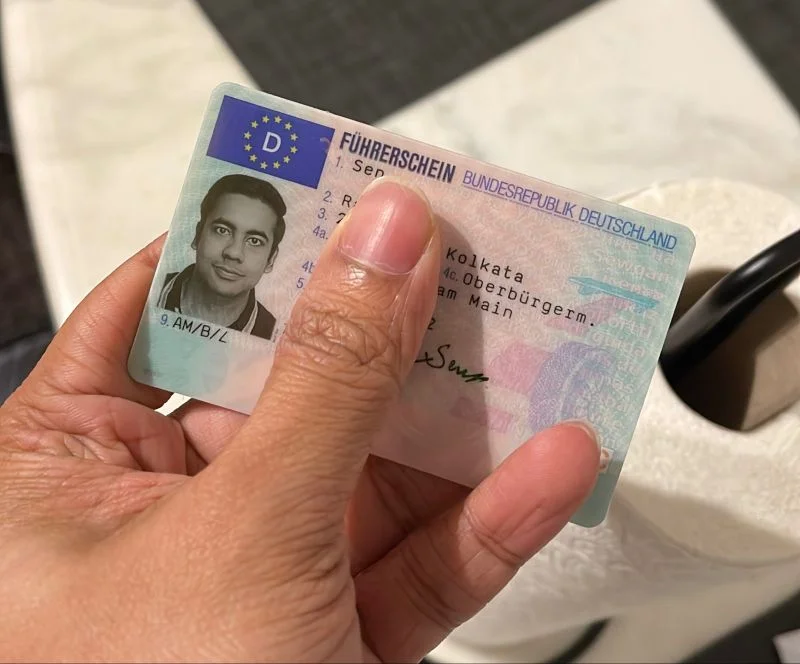
Guide to Obtaining a German Driving License
Browsing the roadways of Germany can be a thrilling experience, whether you're a resident or a visitor. Nevertheless, to legally drive there, one should have a legitimate driving license. This blog post acts as a useful guide on how to get a German driving license, touching on important requirements, treatments, and often asked questions.
Comprehending the German Driving License
Germany has a well-structured system for releasing driving licenses, classified by different automobile classes. The most common license types consist of:
- Class B: For automobiles (up to 3.5 lots)
- Class A: For motorcycles
- Class C: For trucks
- Class D: For buses
Key Information
| License Class | Automobile Type | Minimum Age | Validity Period |
|---|---|---|---|
| Class B | Vehicles | 18 | 15 years |
| Class A | Motorbikes (over 125cc) | 24 | 15 years |
| Class C | Trucks | 21 | 5 years |
| Class D | Buses | 24 | 5 years |
Steps to Obtain a German Driving License
1. Identify Eligibility
Before diving into the application procedure, it is vital to identify your eligibility. Candidates need to fulfill the following requirements:
- Age Requirement: Meet the minimum age for the preferred license class.
- Residency: Over 185 days of residency in Germany.
- Health Requirements: A medical checkup may be required, along with an eye test.
2. Select a Driving School
Choosing a driving school is one of the most important actions. Here are some points to think about:
- Reputation: Research evaluates and ask for recommendations.
- Services Offered: Ensure the school offers lessons for the preferred license class.
- Pricing: Compare costs and examine for any concealed fees.
3. Total Required Courses
Driving schools in Germany generally offer a combination of theoretical and practical training. The following elements are usually consisted of:
- Theoretical Lessons: Covering traffic laws, vehicle operation, and road signs.
- Practical Driving Lessons: Hands-on training with a certified instructor.
4. Pass the Theoretical Exam
When the theoretical training is total:
- Register for the theory examination at the local driving license authority (Führerscheinstelle).
- Get ready for the exam using practice tests and research study products.
- Successfully pass the test, normally including multiple-choice questions.
5. Complete Practical Training
Upon passing the theoretical examination:
- Schedule practical driving sessions with your trainer.
- Complete the needed number of driving hours (typically around 12 hours).
- Gain experience with various driving conditions (e.g., night driving, highway driving).
6. Pass the Practical Driving Test
After ending up useful training, the driving trainer will determine preparedness for the dry run. After arranging the test with the local authority, prospects will show their driving abilities.
7. Submit Application
After effectively passing both examinations, finish the application for a German driving license by submitting required files:
| Required Documents | Description |
|---|---|
| Valid ID (Passport/identity card) | Proof of identity |
| Home registration | Verification of residency |
| Emergency treatment certificate | Evidence of finishing a very first aid course |
| Biometric photo | Recent passport-style image |
| Medical certificate (if required) | Verification of fitness and health |
8. Receive Your License
Once all the documents are sent, and the application is processed, the brand-new license will be released. The processing time usually ranges from a couple of days to a few weeks.
Frequently asked questions
1. What if I already have a driving license from another country?
Motorists with a valid driving license from an EU country may utilize it without conversion. For non-EU licenses, a conversion may be required after a particular residency duration.
2. How much does it cost to get a German driving license?
The total cost can differ considerably based on the driving school and private scenarios, but usually, you can expect to pay anywhere from EUR1,500 to EUR2,500 or more, consisting of lessons and examination costs.
3. For how long is the German driving license legitimate?
The validity of a German driving license varies by class, however Class B licenses are typically legitimate for 15 years and must be renewed thereafter.
4. What happens if I fail the driving test?
If you fail the useful driving test, you can retake it after a waiting duration, which is usually about 2 weeks. It's advised to schedule additional driving lessons before attempting once again.
5. Can I drive in Germany with a worldwide driving license?
Yes, a global driving authorization is legitimate in Germany for a limited time, normally as much as six months. After this period, a German driving license or a conversion is required.
Acquiring a German driving license can seem overwhelming, but by following the structured steps outlined above, prospective drivers can navigate the procedure with relative ease. From picking the ideal driving school to passing required examinations, preparation is essential. Understanding the requirements and www.Joliefil.top) being notified will make sure a smoother shift to driving legally on Germany's efficient roads.
댓글목록
등록된 댓글이 없습니다.

 대표이사 김무현