
본문
Organic Coffea Arabica - The Primary Type of Coffee Bean
When looking for a great cup of coffee, it is important to ensure that the coffee is organic and has fair trade certifications. These certifications are a sign that the beans were grown without harmful chemicals and the farmers were treated well.
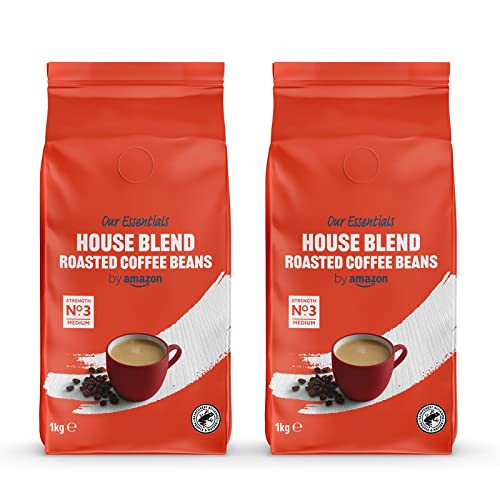 Organic farming methods give a lot of importance to healthy soils as well as water conservation and biodiversity. They also prevent the use of harsh pesticides.
Origin
Coffea arabica, which is the most popular variety of gourmet coffee beans, is a plant native to the regions around Yemen and Ethiopia. It grows best in tropical climates with high altitudes, and it requires a large amount of rain to produce ripe fruits. This variety is used in a lot of the most popular coffee drinks across the globe. It is often blended with various kinds of beans to create more complex and diverse flavors.
The mild flavor and aromatic aromas of arabica coffee are known to be the best arabica coffee beans of gourmet coffee. It is not bitter and can have hints of chocolate or nuts. Its acidity is usually low or moderate, and varies in accordance with the region where it is grown. It is a great source of antioxidants as well as other nutrients.
There are many arabica varieties however, the Bourbon and Typica varieties are the most popular. Both were bred in the coffee forest of southwest Ethiopia and were introduced to Yemen for the first time in the 17th century. The seeds were then transported to Europe and Asia where they changed to adapt to new environments. They are now the backbone of coffee production worldwide, and their descendants comprise the majority of the arabica plants today.
Other wild harvested arabica coffee beans plants are bred to exhibit particular characteristics, such as resistance to pests and diseases. One example is the hybrid variety dubbed Timor. It is the result of two distinct genetically-engineered arabica plants, and it gained its resistance to leaf rust from its parent, the high-yielding Caturra variety. This resistance is now a crucial component of the top-quality arabica beans, including the Costa Rica 95 and Lempira varieties.
To ensure that their gourmet coffee beans are of the top quality, a lot of arabica farmers employ sustainable farming practices to protect the environment and their communities. Agroforestry, diversity of crops and cutting-edge technology are a few of the methods employed. This reduces water loss and increases fertilizer efficiency, while increasing yields. It can also help prevent loss of crops due to diseases and pests by providing early warning systems that alert farmers of any potential issues.
Flavor
Organic coffee is a top choice for consumers looking for premium gourmet coffee that is based on sustainable and fair trade practices. Organically grown coffee beans aren't contaminated by harsh chemicals used during the process of growing. They also retain their natural flavor throughout the roasting and coffee brewing process.
Organically-grown arabica beans are known for their distinct flavor profile and smooth taste. This is due to the attention to detail taken by farmers to ensure that the beans are cultivated under optimal conditions to yield a superior tasting coffee. This attention to particulars makes arabica the coffee of choice for a lot of consumers.
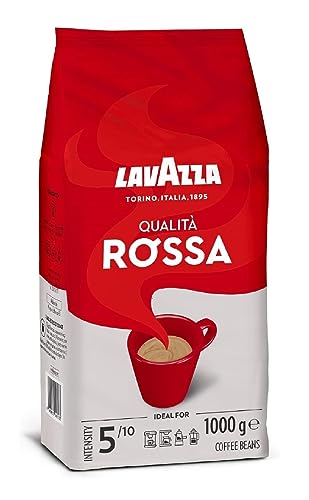 The taste of organic Arabica coffee is smooth and rich with a full-bodied taste with low acidity and hints of sweetness. You will notice fruits, chocolate and nuts depending on the roasting flavor. This type of coffee is also perfect for espresso drinks.
There is a wide selection of arabica coffee beans that are organically grown in specialty roasters and supermarkets. Some offer single-origin coffee that showcases the distinctive particulars of a particular region and others are made by blending beans from different regions to create a unique and well-rounded flavour. This is a great approach to find the right blend to suit your tastes and preferences.
Aside from being organically grown fair trade certified coffees are also ethically sourced arabica coffee beans in ways that promote sustainable farming and ethical sources. Fair trade certifications establish standards for farmer wages and working conditions and also for community development. This ensures that those behind your cup of joe receive fair compensation for their hard work, while you get the quality coffee you deserve.
This coffee is shade-grown and decaffeinated using the Swiss water method. This preserves the authentic, luscious flavor of the arabica bean. The blend is a blend of the earthy and rustic taste of Sumatran with the smooth, nutty flavors of Brazilian coffee. The result is a rich, full-bodied decaf that has low acidity that is perfect for any cup of coffee.
Health Benefits
No matter if you prefer your cup of java in the morning or throughout the day organic coffee beans provide your body with many health benefits. These benefits include a boost in immunity with less inflammation, and well-balanced acidity. Organic coffee is also free of GMOs and chemicals that can harm your body.
You can support sustainable farming practices by buying organic coffee. It also helps protect the natural water bodies and preserve forests. You can also ensure that those who cultivate and harvest your beans have good working conditions and are treated well.
Organic coffee is available in a variety of flavors. Everyone has their own preferences but organic coffee can provide many different flavors. There are roasts which are rich, dark and others that are light, sweet. Try different brands and types of organic coffee to determine which one you prefer.
Organic coffee tastes more refined than other varieties. Its richer flavor and richness are the result of careful attention to organic growers. Organic Arabica Coffee Beans coffee is also less acidic, and therefore a good choice for those with sensitive stomachs.
In addition to improving your health Organic coffee can also give you an increase in energy. This is because organically grown coffee is not treated with synthetic pesticides or chemicals.
Coffee is sprayed with more chemicals than any other crop. These chemicals can alter the balance of the bacteria that reside in your digestive tract, which could ultimately lead to disease. Organic coffee promotes the immune system to be healthy which assists in eliminating these toxins.
The best tasting arabica coffee beans organic coffees are grown in shade without using herbicides or pesticides that are synthetic. The coffee is then roasted by hand on raised patios that are meticulously maintained. These methods are healthier for our environment and produce more delicious coffee. It is important to select organic coffee that is certified organic This means that the USDA has confirmed the product's purity. This certification is valid for whole beans and ground espresso.
Sustainability
Organic specialty coffees and sustainability are becoming more popular with those who seek unique tastes that align with their values. These consumers are aware that their purchases not only have an impact on the environment, but also provide a chance to make a positive change by helping coffee farmers around the globe.
Coffee farmers who practice the organic method of growing do not use synthetic chemicals, herbicides or pesticides when they cultivate their crops. This ensures the health and safety of coffee farm workers, while preserving the soil and water supply for the future. Organic farming also helps reduce mycotoxin contamination that is a problem that can arise in conventional processing.
The perks of organic coffee go beyond sustainability for the environment. By collaborating with coffee roasters, retailers and farmers, fair prices can be assured for coffee beans. These fair prices allow farmers to invest in their local communities and improve the lives of their families. This partnership model, also known as direct trade, offers an enhanced and authentic experience for both coffee lovers and coffee producers.
Our organic, non-GMO arabica beans are sourced from top coffee-growing regions in the world. They are grown with most care, using only natural fertilizers and without any harmful synthetic chemicals. The beans are then roasted using a minimum of heat and pressure to preserve the quality and flavor of the coffee. Our certified organic decaffeinated is also produced by using the Swiss Water Process. This chemical-free process is able to remove only caffeine from the bean while leaving the distinctive flavors of the origin.
Organic, fair-trade coffees help create a more equitable global market for both processors and growers. By doing this, the coffee industry can be steered away from unsafe labor conditions, including child work and slavery. Regenerative agriculture that is part of sustainable agriculture, promotes biodiversity, and carbon sequestration. This is beneficial for coffee farms both in terms of health and production.
Choosing organic, fair-trade, specialty coffee is an easy way to promote the health and wellness of yourself, your family and the environment. Limiting your coffee consumption and drinking it at the right time of day will aid in harmonising your body's rhythms, and enhance its energizing effect and cognitive functions.
When looking for a great cup of coffee, it is important to ensure that the coffee is organic and has fair trade certifications. These certifications are a sign that the beans were grown without harmful chemicals and the farmers were treated well.
Organic farming methods give a lot of importance to healthy soils as well as water conservation and biodiversity. They also prevent the use of harsh pesticides.Origin
Coffea arabica, which is the most popular variety of gourmet coffee beans, is a plant native to the regions around Yemen and Ethiopia. It grows best in tropical climates with high altitudes, and it requires a large amount of rain to produce ripe fruits. This variety is used in a lot of the most popular coffee drinks across the globe. It is often blended with various kinds of beans to create more complex and diverse flavors.
The mild flavor and aromatic aromas of arabica coffee are known to be the best arabica coffee beans of gourmet coffee. It is not bitter and can have hints of chocolate or nuts. Its acidity is usually low or moderate, and varies in accordance with the region where it is grown. It is a great source of antioxidants as well as other nutrients.
There are many arabica varieties however, the Bourbon and Typica varieties are the most popular. Both were bred in the coffee forest of southwest Ethiopia and were introduced to Yemen for the first time in the 17th century. The seeds were then transported to Europe and Asia where they changed to adapt to new environments. They are now the backbone of coffee production worldwide, and their descendants comprise the majority of the arabica plants today.
Other wild harvested arabica coffee beans plants are bred to exhibit particular characteristics, such as resistance to pests and diseases. One example is the hybrid variety dubbed Timor. It is the result of two distinct genetically-engineered arabica plants, and it gained its resistance to leaf rust from its parent, the high-yielding Caturra variety. This resistance is now a crucial component of the top-quality arabica beans, including the Costa Rica 95 and Lempira varieties.
To ensure that their gourmet coffee beans are of the top quality, a lot of arabica farmers employ sustainable farming practices to protect the environment and their communities. Agroforestry, diversity of crops and cutting-edge technology are a few of the methods employed. This reduces water loss and increases fertilizer efficiency, while increasing yields. It can also help prevent loss of crops due to diseases and pests by providing early warning systems that alert farmers of any potential issues.
Flavor
Organic coffee is a top choice for consumers looking for premium gourmet coffee that is based on sustainable and fair trade practices. Organically grown coffee beans aren't contaminated by harsh chemicals used during the process of growing. They also retain their natural flavor throughout the roasting and coffee brewing process.
Organically-grown arabica beans are known for their distinct flavor profile and smooth taste. This is due to the attention to detail taken by farmers to ensure that the beans are cultivated under optimal conditions to yield a superior tasting coffee. This attention to particulars makes arabica the coffee of choice for a lot of consumers.
The taste of organic Arabica coffee is smooth and rich with a full-bodied taste with low acidity and hints of sweetness. You will notice fruits, chocolate and nuts depending on the roasting flavor. This type of coffee is also perfect for espresso drinks.There is a wide selection of arabica coffee beans that are organically grown in specialty roasters and supermarkets. Some offer single-origin coffee that showcases the distinctive particulars of a particular region and others are made by blending beans from different regions to create a unique and well-rounded flavour. This is a great approach to find the right blend to suit your tastes and preferences.
Aside from being organically grown fair trade certified coffees are also ethically sourced arabica coffee beans in ways that promote sustainable farming and ethical sources. Fair trade certifications establish standards for farmer wages and working conditions and also for community development. This ensures that those behind your cup of joe receive fair compensation for their hard work, while you get the quality coffee you deserve.
This coffee is shade-grown and decaffeinated using the Swiss water method. This preserves the authentic, luscious flavor of the arabica bean. The blend is a blend of the earthy and rustic taste of Sumatran with the smooth, nutty flavors of Brazilian coffee. The result is a rich, full-bodied decaf that has low acidity that is perfect for any cup of coffee.
Health Benefits
No matter if you prefer your cup of java in the morning or throughout the day organic coffee beans provide your body with many health benefits. These benefits include a boost in immunity with less inflammation, and well-balanced acidity. Organic coffee is also free of GMOs and chemicals that can harm your body.
You can support sustainable farming practices by buying organic coffee. It also helps protect the natural water bodies and preserve forests. You can also ensure that those who cultivate and harvest your beans have good working conditions and are treated well.
Organic coffee is available in a variety of flavors. Everyone has their own preferences but organic coffee can provide many different flavors. There are roasts which are rich, dark and others that are light, sweet. Try different brands and types of organic coffee to determine which one you prefer.
Organic coffee tastes more refined than other varieties. Its richer flavor and richness are the result of careful attention to organic growers. Organic Arabica Coffee Beans coffee is also less acidic, and therefore a good choice for those with sensitive stomachs.
In addition to improving your health Organic coffee can also give you an increase in energy. This is because organically grown coffee is not treated with synthetic pesticides or chemicals.
Coffee is sprayed with more chemicals than any other crop. These chemicals can alter the balance of the bacteria that reside in your digestive tract, which could ultimately lead to disease. Organic coffee promotes the immune system to be healthy which assists in eliminating these toxins.
The best tasting arabica coffee beans organic coffees are grown in shade without using herbicides or pesticides that are synthetic. The coffee is then roasted by hand on raised patios that are meticulously maintained. These methods are healthier for our environment and produce more delicious coffee. It is important to select organic coffee that is certified organic This means that the USDA has confirmed the product's purity. This certification is valid for whole beans and ground espresso.
Sustainability
Organic specialty coffees and sustainability are becoming more popular with those who seek unique tastes that align with their values. These consumers are aware that their purchases not only have an impact on the environment, but also provide a chance to make a positive change by helping coffee farmers around the globe.
Coffee farmers who practice the organic method of growing do not use synthetic chemicals, herbicides or pesticides when they cultivate their crops. This ensures the health and safety of coffee farm workers, while preserving the soil and water supply for the future. Organic farming also helps reduce mycotoxin contamination that is a problem that can arise in conventional processing.
The perks of organic coffee go beyond sustainability for the environment. By collaborating with coffee roasters, retailers and farmers, fair prices can be assured for coffee beans. These fair prices allow farmers to invest in their local communities and improve the lives of their families. This partnership model, also known as direct trade, offers an enhanced and authentic experience for both coffee lovers and coffee producers.
Our organic, non-GMO arabica beans are sourced from top coffee-growing regions in the world. They are grown with most care, using only natural fertilizers and without any harmful synthetic chemicals. The beans are then roasted using a minimum of heat and pressure to preserve the quality and flavor of the coffee. Our certified organic decaffeinated is also produced by using the Swiss Water Process. This chemical-free process is able to remove only caffeine from the bean while leaving the distinctive flavors of the origin.
Organic, fair-trade coffees help create a more equitable global market for both processors and growers. By doing this, the coffee industry can be steered away from unsafe labor conditions, including child work and slavery. Regenerative agriculture that is part of sustainable agriculture, promotes biodiversity, and carbon sequestration. This is beneficial for coffee farms both in terms of health and production.
Choosing organic, fair-trade, specialty coffee is an easy way to promote the health and wellness of yourself, your family and the environment. Limiting your coffee consumption and drinking it at the right time of day will aid in harmonising your body's rhythms, and enhance its energizing effect and cognitive functions.
댓글목록
등록된 댓글이 없습니다.

 대표이사 김무현