
본문
Why Landlords and Buyers Should Get Gas Safety Certificates
A gas safety certificate is an essential document that needs to be reviewed annually. It is crucial for ensuring the safety of both the appliances as well as the tenants.
Additionally, the document permits landlords to meet their legal obligations, and gives peace of mind for them and their tenants. This article will walk you through the steps to get a gas safety certificate.
Landlords
Landlords are legally required get gas safety certificates for properties they rent out and not doing this could result in an indictment or fine. These tests are designed to ensure that all gas appliances as well as flues, fittings and other appliances in a property are safe to use by tenants. The law requires landlords to provide an CP12 certification as well as copies of previous certificates to their tenants. A landlord who does not have a valid CP12 certificate or has not provided one to a tenant within 28 days of the last check may be prosecuted.
The CP12 is only valid for 12 month, so it is essential to schedule an annual gas safety inspection by a licensed engineer. If tenants refuse to let inspectors to access the rental property, it might be difficult for a landlord to gain access. Many tenants do this during the outbreak because they feel it's an invasion of privacy or they believe it could be a scam to spy on them. In these instances, landlords should explain the significance of the inspection to their tenant and keep trying to gain access.
If a tenant still refuses to allow the engineer access It is recommended to notify the local authority, which will then contact the landlord and offer suggestions on what to do next. If the situation is serious enough, the gas supply could be shut off until the tenant allows access.
The location of the landlord could affect the cost of a CP12. Prices in areas with high population density tend to be higher than those in less affluent areas of the country, and it's important to consider this when deciding what amount to spend on the CP12.
The landlords should also make sure that their properties are equipped with CO alarms, since they can reduce carbon monoxide poisoning. A landlord should also display their CP12 certification in a prominent location so that tenants are aware that the property has been inspected and is safe to live in. If a landlord gas safety certificate cost isn't following their obligations under the Gas Safety Regulations 1998, they could be prosecuted by the Health and Safety Executive.
Tenants
It is your responsibility as a landlord to ensure that your tenants feel at ease and secure when they are renting your property. Gas safety certificates are required to show that all appliances and installation have been inspected by a certified engineer. This certificate must be renewed every year. If you don't do this, you could be liable for fines.
Landlords should make it clear in the tenancy agreement when the gas inspection is scheduled to take place and what the costs are likely to be. This will help to prevent any disputes and ensure you are complying with the law. It is also important to give your tenants a copy of their current gas safety certificate.
If your landlord gas safety certificate cp12 fails to perform the gas safety inspection, you can report them to the Health and Safety Executive. It is best to speak to your landlord to find a compromise. If you're unable to reach a compromise or compromise, you can contact the HSE to force your landlord to carry out the checks. However, this isn't always possible and you'll need be able prove that you have made all reasonable efforts to be in compliance with the law.
A gas safety test is usually performed by a licensed Gas Safe registered engineer. You should be able to check their credentials by requesting their Gas Safe Register ID card. This is a vital piece of information as only a Gas Safe certified engineer will be able provide you with your gas safety certificate. Gas Safe Register has a list of gas engineers who are certified. It is recommended to select one close to you in order to save money.
If your gas safety certificate has expired, there is no grace period. It's therefore important to make an appointment as soon as possible. If you let it expire you could be at risk of paying a substantial fine, and how to get gas safety Certificate the appliances might not be safe to use.
Homeowners
Gas safety certificates are not only required by law for landlords, but are also a vital safety measure. It guarantees that your gas appliances are safe to use and are in good working condition. This is especially true in relation to older appliances as they are more vulnerable to faulty connections and leaks.
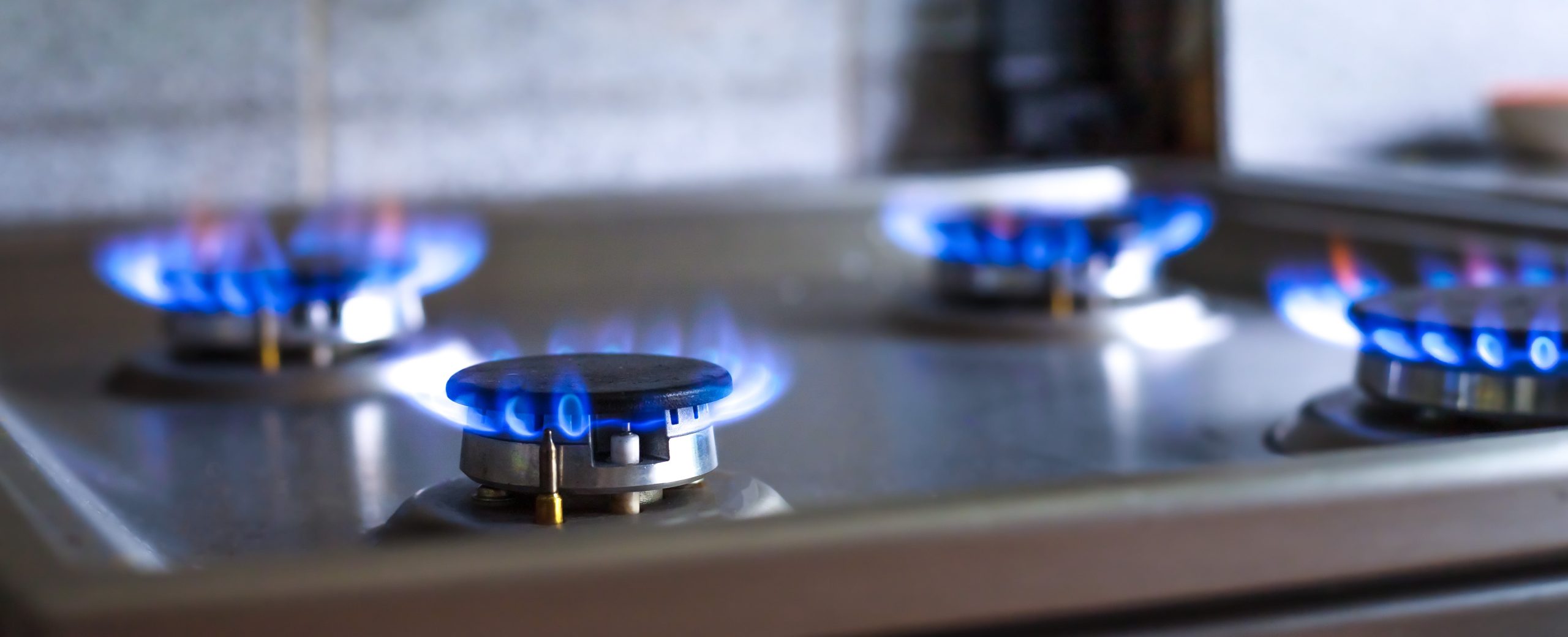 The gas engineer will visit your property and inspect the entire gas infrastructure, and all home appliances that use gas. The engineer will then prepare an inspection report and issue you with the gas safety certificate. If he detects defects or faults, he will recommend repairs be completed immediately. It is important to get these repairs completed as soon as you can to avoid the chance of carbon monoxide poisoning and other potentially harmful side effects.
A homeowner could also ask an Gas Safe registered engineer to conduct a test on the gas installation of their home regardless of whether or not they intend to rent the property out. This should be carried out at least once a year, especially if you plan to sell your home in the near future. A certificate will speed up the sale process by showing potential buyers that your property is safe.
Getting a gas safety certificate is a simple procedure that can be arranged through our user-friendly platform with just a few clicks. The cost of the inspection will vary depending on your location and quantity of gas appliances, but you can expect to pay less than PS50 for a basic check. It is essential to ensure that the gas engineers you choose to hire are registered on the Gas Safe Register, as it is a legal requirement for anyone planning to work with gas.
Contact us here if you have any queries about how much gas safety certificate to get gas safety certificate (why not find out more) to obtain an gas safety certificate. We'll be happy to assist you! We provide high-quality, professional gas safety certificates for landlords and homeowners across the UK.
Buyers
A buyer should have a gas safety certification for the property they are purchasing. This is important as it allows buyers identify any issues in the property and help save them from unwanted expenses in the future. It will also give them peace of peace of mind knowing that gas appliances and pipework in the home are safe to use. The buyer should request this document from the seller as soon as is possible.
Gas Safe registered engineers can conduct a gas safety test for prospective buyers. The cost of the check can vary depending on the amount and kind of appliances. A boiler and one gas hob will run around PS60 to PS90. This is a modest cost to ensure that the buyers' new home is safe to live in.
If a seller isn't capable of proving an official gas safety certificate, it could be a problem. A seller will not be able to rent out a property until the certificate is renewed. The seller may also be subject to massive fines from tenants and the council if found not have a gas safety certification. It is not unusual for a buyer to inquire from the owner of a property for this information.
It is still recommended that homeowners obtain an official gas safety certificate even though it's not required by law. This will help them to avoid problems such as faulty gas appliances or leaks of carbon monoxide, which can be deadly. Additionally, it may make the property more appealing to potential buyers in the future.
 Gas Safe Register will provide the homeowner with a duplicate certificate if they has lost their gas safety certificate. It's a modest amount, but it's much better than not being able sell your home. Visit the Gas Safe Register to learn more about. In addition you can contact your local council or the gas company directly to request a copy of your certificate. This is a quick and simple procedure.
A gas safety certificate is an essential document that needs to be reviewed annually. It is crucial for ensuring the safety of both the appliances as well as the tenants.
Additionally, the document permits landlords to meet their legal obligations, and gives peace of mind for them and their tenants. This article will walk you through the steps to get a gas safety certificate.
Landlords
Landlords are legally required get gas safety certificates for properties they rent out and not doing this could result in an indictment or fine. These tests are designed to ensure that all gas appliances as well as flues, fittings and other appliances in a property are safe to use by tenants. The law requires landlords to provide an CP12 certification as well as copies of previous certificates to their tenants. A landlord who does not have a valid CP12 certificate or has not provided one to a tenant within 28 days of the last check may be prosecuted.
The CP12 is only valid for 12 month, so it is essential to schedule an annual gas safety inspection by a licensed engineer. If tenants refuse to let inspectors to access the rental property, it might be difficult for a landlord to gain access. Many tenants do this during the outbreak because they feel it's an invasion of privacy or they believe it could be a scam to spy on them. In these instances, landlords should explain the significance of the inspection to their tenant and keep trying to gain access.
If a tenant still refuses to allow the engineer access It is recommended to notify the local authority, which will then contact the landlord and offer suggestions on what to do next. If the situation is serious enough, the gas supply could be shut off until the tenant allows access.
The location of the landlord could affect the cost of a CP12. Prices in areas with high population density tend to be higher than those in less affluent areas of the country, and it's important to consider this when deciding what amount to spend on the CP12.
The landlords should also make sure that their properties are equipped with CO alarms, since they can reduce carbon monoxide poisoning. A landlord should also display their CP12 certification in a prominent location so that tenants are aware that the property has been inspected and is safe to live in. If a landlord gas safety certificate cost isn't following their obligations under the Gas Safety Regulations 1998, they could be prosecuted by the Health and Safety Executive.
Tenants
It is your responsibility as a landlord to ensure that your tenants feel at ease and secure when they are renting your property. Gas safety certificates are required to show that all appliances and installation have been inspected by a certified engineer. This certificate must be renewed every year. If you don't do this, you could be liable for fines.
Landlords should make it clear in the tenancy agreement when the gas inspection is scheduled to take place and what the costs are likely to be. This will help to prevent any disputes and ensure you are complying with the law. It is also important to give your tenants a copy of their current gas safety certificate.
If your landlord gas safety certificate cp12 fails to perform the gas safety inspection, you can report them to the Health and Safety Executive. It is best to speak to your landlord to find a compromise. If you're unable to reach a compromise or compromise, you can contact the HSE to force your landlord to carry out the checks. However, this isn't always possible and you'll need be able prove that you have made all reasonable efforts to be in compliance with the law.
A gas safety test is usually performed by a licensed Gas Safe registered engineer. You should be able to check their credentials by requesting their Gas Safe Register ID card. This is a vital piece of information as only a Gas Safe certified engineer will be able provide you with your gas safety certificate. Gas Safe Register has a list of gas engineers who are certified. It is recommended to select one close to you in order to save money.
If your gas safety certificate has expired, there is no grace period. It's therefore important to make an appointment as soon as possible. If you let it expire you could be at risk of paying a substantial fine, and how to get gas safety Certificate the appliances might not be safe to use.
Homeowners
Gas safety certificates are not only required by law for landlords, but are also a vital safety measure. It guarantees that your gas appliances are safe to use and are in good working condition. This is especially true in relation to older appliances as they are more vulnerable to faulty connections and leaks.
The gas engineer will visit your property and inspect the entire gas infrastructure, and all home appliances that use gas. The engineer will then prepare an inspection report and issue you with the gas safety certificate. If he detects defects or faults, he will recommend repairs be completed immediately. It is important to get these repairs completed as soon as you can to avoid the chance of carbon monoxide poisoning and other potentially harmful side effects.A homeowner could also ask an Gas Safe registered engineer to conduct a test on the gas installation of their home regardless of whether or not they intend to rent the property out. This should be carried out at least once a year, especially if you plan to sell your home in the near future. A certificate will speed up the sale process by showing potential buyers that your property is safe.
Getting a gas safety certificate is a simple procedure that can be arranged through our user-friendly platform with just a few clicks. The cost of the inspection will vary depending on your location and quantity of gas appliances, but you can expect to pay less than PS50 for a basic check. It is essential to ensure that the gas engineers you choose to hire are registered on the Gas Safe Register, as it is a legal requirement for anyone planning to work with gas.
Contact us here if you have any queries about how much gas safety certificate to get gas safety certificate (why not find out more) to obtain an gas safety certificate. We'll be happy to assist you! We provide high-quality, professional gas safety certificates for landlords and homeowners across the UK.
Buyers
A buyer should have a gas safety certification for the property they are purchasing. This is important as it allows buyers identify any issues in the property and help save them from unwanted expenses in the future. It will also give them peace of peace of mind knowing that gas appliances and pipework in the home are safe to use. The buyer should request this document from the seller as soon as is possible.
Gas Safe registered engineers can conduct a gas safety test for prospective buyers. The cost of the check can vary depending on the amount and kind of appliances. A boiler and one gas hob will run around PS60 to PS90. This is a modest cost to ensure that the buyers' new home is safe to live in.
If a seller isn't capable of proving an official gas safety certificate, it could be a problem. A seller will not be able to rent out a property until the certificate is renewed. The seller may also be subject to massive fines from tenants and the council if found not have a gas safety certification. It is not unusual for a buyer to inquire from the owner of a property for this information.
It is still recommended that homeowners obtain an official gas safety certificate even though it's not required by law. This will help them to avoid problems such as faulty gas appliances or leaks of carbon monoxide, which can be deadly. Additionally, it may make the property more appealing to potential buyers in the future.
Gas Safe Register will provide the homeowner with a duplicate certificate if they has lost their gas safety certificate. It's a modest amount, but it's much better than not being able sell your home. Visit the Gas Safe Register to learn more about. In addition you can contact your local council or the gas company directly to request a copy of your certificate. This is a quick and simple procedure.댓글목록
등록된 댓글이 없습니다.

 대표이사 김무현