
본문
Buy a German Shepherd Puppy
 A German Shepherd puppy will thrive best in a setting that has plenty of open space for schäferhund baby kaufen exercise and training. You'll want to search for schäferhund beschüTzerinstinkt a reliable breeder that provides tests for temperament and health for each litter of puppies they sell.
Find puppies that are curious and tolerant of people. Avoid dogs that exhibit territorial aggression. This could be dangerous to visitors. Early socialization and obedience training can help decrease aggressive behavior.
Health
German Shepherds are known to live longer than other breeds. However, they may be prone to certain health issues. Breeders who are responsible screen their puppies for hip dysplasia as well as elbow dysplasia (similar to Lou Gehrig's Disease) and degenerative myelopathy, bloat, allergies, cancer and heart disease. A reputable veterinarian will suggest routine veterinary checkups as well as a balanced diet and Deutscher SchäFerhund Lebenserwartung exercises for the body and mind, and early intervention when any health issues occur.
German Shepherds should not exert too much themselves despite their athletic characteristics. This can cause joint problems like hip dysplasia and elbow dysplasia, which can be painful. Losing weight, reducing exercise, taking joint supplements, and administering anti-inflammatory medication can ease symptoms like limping and reduced mobility.
A common health issue in German Shepherds, pannus can affect the cornea. If not treated immediately it could lead to blindness. This condition is more frequent in dogs living at higher altitudes, those with excessive exposure to UV light, or those living in areas that have high levels of air pollution. Keeping your German Shepherd indoors during the sunniest times of the day, providing shaded areas or putting on the use of doggie sunglasses can help keep the condition from happening.
German Shepherds can suffer from osteoarthritis later in life similar to other large breeds. This can be painful. This is a condition that can be present in any breed, however the risk is higher for deutscher schäferhund kaufen lebenserwartung (just click the next article) larger breeds. Choosing an adult German Shepherd from a reputable breeder, and deutscher schäFerhund lebenserwartung providing them with plenty of exercise in a well-fenced yard, can help to reduce the severity of this disease.
Training
German Shepherd puppies have a high amount of energy and require plenty of activity to burn it. They will do best in a house with access to large open spaces or can be regularly taken on long walks.
They are highly intelligent and respond well to training, so it's a good idea to start with some basic obedience training with your puppy. Begin with basic commands like "sit and stay', "down" and "stay". Once they've mastered those basics and are confident, you can progress to more complex obedience work like 'come when asked' and leave it'.
It can also help reduce the fear of adults by giving your German Shepherd puppy to other dogs and humans. Introduce them to people and other animals in a controlled setting, such as an animal-friendly cafe or dog-friendly park. Treats can help your German shepherd learn to focus on you and others so they don't become overwhelmed by strangers.
It's important to remember that your German Shepherd is a puppy, so they'll chew and play with everything. It's best to start training them before they are old enough so that they don't jump on pet owners or other animals.
The first year of your German Shepherd puppy's life is a crucial time to get familiar with various sights, sounds, and smells. They will go through a time period called the Fear Period, which means that they may have difficulty understanding certain things that appear safe to us (such as children, loud noises or unfamiliar surfaces). During this period, it is important to expose your German shepherd to a variety of things to avoid developing fears later on in the course of.
You should also take your German Shepherd puppy in socialisation and obedience classes, especially in the event that other family members could assist. It will be easier to track improvements if you have someone else to reinforce the good behaviors that you are working on with your German shepherd. This will also help to give your German Shepard a sense of consistency, so they don't get overwhelmed by too many experiences at time.
Exercise
German Shepherds are very active dogs that require a lot of exercise every day. This activity is beneficial for both the dog and its owner. It assists the dog keep a healthy weight and keeps its muscles supple and strong. It also helps avoid health issues such as hip dysplasia. Regular exercise can help keep a dog's mind sharp and reduce the risk for issues with their behavior.
A regular exercise routine is particularly important for working line German Shepherds breed to be used in military and police work. It can help to prevent destructive behavior such as excessive chewing or digging. It can also help improve obedience training and strengthen the bond between dog and owner.
Puppy dogs require more exercise than adult dogs because they have an unending energy. However, it's important not to overdo it as this can cause damage to the dog's joints and bones. This is particularly true if your puppy is still growing. This can happen to 12 months.
Exercise for puppies can also help them build healthy habits that will last for the rest of their lives. Taking them for regular walks can aid in improving cardiovascular health, control their weight, and lower stress levels. It can also aid in developing social abilities by exposing them to new animals and people. This can make it easier for them to adapt to new situations and cope with stress-inducing events in the near future.
A good rule of thumb for determining how much exercise a German Shepherd puppy needs is to take five minutes of formal exercise (walking the dog at a moderate pace) per month of age. This exercise can include play and training, but should be supervised at all times. If the dog is tired, it's a good idea for him to rest.
German Shepherds are able to benefit from a wide range of games, such as fetch and tracking, agility and obedience, as well as games such as hide and seek. This is a great way for your puppy to develop its natural hunting instincts, and also to stop boredom, which can lead to destructive behavior such as chewing or digging.
You can also learn how to care for yourself.
German Shepherds are extremely intelligent dogs that respond well to early training. However, they are big dogs with lots of energy that need space to burn off the energy. If they don't get enough exercise, they could be destructive. Additionally, their natural instinct to protect can be turned into aggression if they're not properly socialized and taught as puppies.
When buying a German Shepherd, choose a breeder who is honest about his breeding policy and provides the necessary AKC papers for every puppy. He is also expected to tell you about each of the puppies' personalities and how they interact with their littermates. The breeder should allow you to play with the puppies, their mother and the stud (if they are in residence).
Ask the breeder for references from previous customers. Consult local veterinarians or animal shelters to find credible breeders.
A responsible breeder won't sell a puppy that is unsocialized or unhealthy. He will also be able to explain the way he has planned the breeding to emphasize certain traits in the puppies. He might even be able to provide you with an alternative puppy in the event that the one you pick does not meet your expectations.
Find a healthy, robust German Shepherd puppy. Puppies should be curious, alert and active, but not anxious or hyperactive. A sluggish or aggressive puppy is best avoided.
Take note of the German Shepherd puppy's behavior around his other dogs or littermates. He should be inquisitive and unafraid to approach other dogs, and he should demand attention from other people with confidence. If he picks one of the other puppies in the litter it is important to keep in mind that this behavior could continue into adulthood and make him difficult to live with.
Take the puppy to visit your veterinarian to ensure that they're up-to-date with all vaccinations and microchipped. It's also an excellent idea to introduce him to the rest of your family members while they're still an infant, so that you can begin teaching him the basics of behavior and house rules.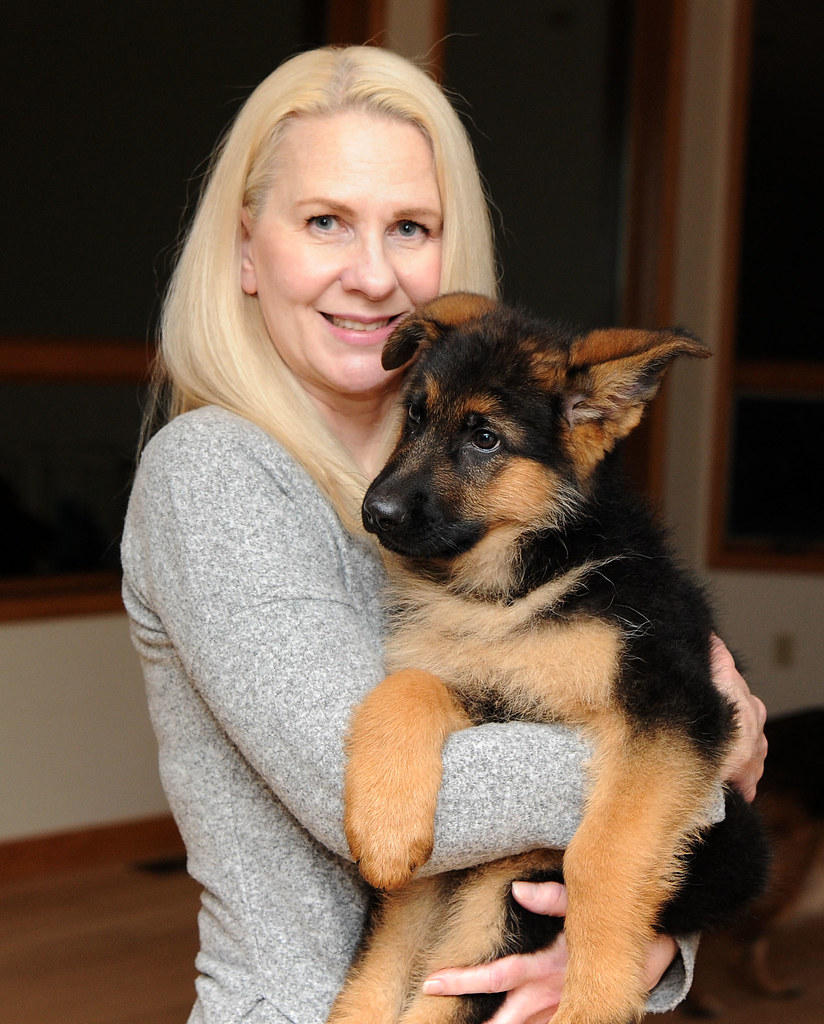
A German Shepherd puppy will thrive best in a setting that has plenty of open space for schäferhund baby kaufen exercise and training. You'll want to search for schäferhund beschüTzerinstinkt a reliable breeder that provides tests for temperament and health for each litter of puppies they sell.Find puppies that are curious and tolerant of people. Avoid dogs that exhibit territorial aggression. This could be dangerous to visitors. Early socialization and obedience training can help decrease aggressive behavior.
Health
German Shepherds are known to live longer than other breeds. However, they may be prone to certain health issues. Breeders who are responsible screen their puppies for hip dysplasia as well as elbow dysplasia (similar to Lou Gehrig's Disease) and degenerative myelopathy, bloat, allergies, cancer and heart disease. A reputable veterinarian will suggest routine veterinary checkups as well as a balanced diet and Deutscher SchäFerhund Lebenserwartung exercises for the body and mind, and early intervention when any health issues occur.
German Shepherds should not exert too much themselves despite their athletic characteristics. This can cause joint problems like hip dysplasia and elbow dysplasia, which can be painful. Losing weight, reducing exercise, taking joint supplements, and administering anti-inflammatory medication can ease symptoms like limping and reduced mobility.
A common health issue in German Shepherds, pannus can affect the cornea. If not treated immediately it could lead to blindness. This condition is more frequent in dogs living at higher altitudes, those with excessive exposure to UV light, or those living in areas that have high levels of air pollution. Keeping your German Shepherd indoors during the sunniest times of the day, providing shaded areas or putting on the use of doggie sunglasses can help keep the condition from happening.
German Shepherds can suffer from osteoarthritis later in life similar to other large breeds. This can be painful. This is a condition that can be present in any breed, however the risk is higher for deutscher schäferhund kaufen lebenserwartung (just click the next article) larger breeds. Choosing an adult German Shepherd from a reputable breeder, and deutscher schäFerhund lebenserwartung providing them with plenty of exercise in a well-fenced yard, can help to reduce the severity of this disease.
Training
German Shepherd puppies have a high amount of energy and require plenty of activity to burn it. They will do best in a house with access to large open spaces or can be regularly taken on long walks.
They are highly intelligent and respond well to training, so it's a good idea to start with some basic obedience training with your puppy. Begin with basic commands like "sit and stay', "down" and "stay". Once they've mastered those basics and are confident, you can progress to more complex obedience work like 'come when asked' and leave it'.
It can also help reduce the fear of adults by giving your German Shepherd puppy to other dogs and humans. Introduce them to people and other animals in a controlled setting, such as an animal-friendly cafe or dog-friendly park. Treats can help your German shepherd learn to focus on you and others so they don't become overwhelmed by strangers.
It's important to remember that your German Shepherd is a puppy, so they'll chew and play with everything. It's best to start training them before they are old enough so that they don't jump on pet owners or other animals.
The first year of your German Shepherd puppy's life is a crucial time to get familiar with various sights, sounds, and smells. They will go through a time period called the Fear Period, which means that they may have difficulty understanding certain things that appear safe to us (such as children, loud noises or unfamiliar surfaces). During this period, it is important to expose your German shepherd to a variety of things to avoid developing fears later on in the course of.
You should also take your German Shepherd puppy in socialisation and obedience classes, especially in the event that other family members could assist. It will be easier to track improvements if you have someone else to reinforce the good behaviors that you are working on with your German shepherd. This will also help to give your German Shepard a sense of consistency, so they don't get overwhelmed by too many experiences at time.
Exercise
German Shepherds are very active dogs that require a lot of exercise every day. This activity is beneficial for both the dog and its owner. It assists the dog keep a healthy weight and keeps its muscles supple and strong. It also helps avoid health issues such as hip dysplasia. Regular exercise can help keep a dog's mind sharp and reduce the risk for issues with their behavior.
A regular exercise routine is particularly important for working line German Shepherds breed to be used in military and police work. It can help to prevent destructive behavior such as excessive chewing or digging. It can also help improve obedience training and strengthen the bond between dog and owner.
Puppy dogs require more exercise than adult dogs because they have an unending energy. However, it's important not to overdo it as this can cause damage to the dog's joints and bones. This is particularly true if your puppy is still growing. This can happen to 12 months.
Exercise for puppies can also help them build healthy habits that will last for the rest of their lives. Taking them for regular walks can aid in improving cardiovascular health, control their weight, and lower stress levels. It can also aid in developing social abilities by exposing them to new animals and people. This can make it easier for them to adapt to new situations and cope with stress-inducing events in the near future.
A good rule of thumb for determining how much exercise a German Shepherd puppy needs is to take five minutes of formal exercise (walking the dog at a moderate pace) per month of age. This exercise can include play and training, but should be supervised at all times. If the dog is tired, it's a good idea for him to rest.
German Shepherds are able to benefit from a wide range of games, such as fetch and tracking, agility and obedience, as well as games such as hide and seek. This is a great way for your puppy to develop its natural hunting instincts, and also to stop boredom, which can lead to destructive behavior such as chewing or digging.
You can also learn how to care for yourself.
German Shepherds are extremely intelligent dogs that respond well to early training. However, they are big dogs with lots of energy that need space to burn off the energy. If they don't get enough exercise, they could be destructive. Additionally, their natural instinct to protect can be turned into aggression if they're not properly socialized and taught as puppies.
When buying a German Shepherd, choose a breeder who is honest about his breeding policy and provides the necessary AKC papers for every puppy. He is also expected to tell you about each of the puppies' personalities and how they interact with their littermates. The breeder should allow you to play with the puppies, their mother and the stud (if they are in residence).
Ask the breeder for references from previous customers. Consult local veterinarians or animal shelters to find credible breeders.
A responsible breeder won't sell a puppy that is unsocialized or unhealthy. He will also be able to explain the way he has planned the breeding to emphasize certain traits in the puppies. He might even be able to provide you with an alternative puppy in the event that the one you pick does not meet your expectations.
Find a healthy, robust German Shepherd puppy. Puppies should be curious, alert and active, but not anxious or hyperactive. A sluggish or aggressive puppy is best avoided.
Take note of the German Shepherd puppy's behavior around his other dogs or littermates. He should be inquisitive and unafraid to approach other dogs, and he should demand attention from other people with confidence. If he picks one of the other puppies in the litter it is important to keep in mind that this behavior could continue into adulthood and make him difficult to live with.
Take the puppy to visit your veterinarian to ensure that they're up-to-date with all vaccinations and microchipped. It's also an excellent idea to introduce him to the rest of your family members while they're still an infant, so that you can begin teaching him the basics of behavior and house rules.
댓글목록
등록된 댓글이 없습니다.

 대표이사 김무현