
본문
Health Issues That Affect German king shepherd kaufen Life Expectancy
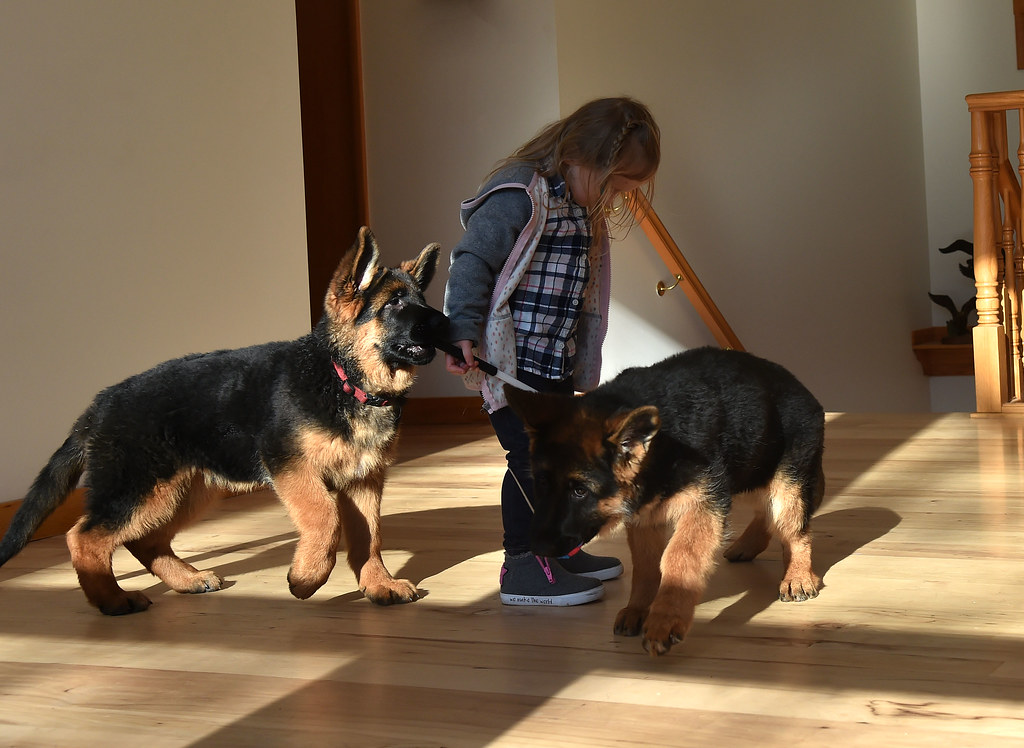 German Shepherds are in their peak between 2 and 6. They're at their strongest in terms of physical fitness and mental sharpness.
Their large size makes them at a higher risk of developing cancer, musculoskeletal issues, and other health conditions that may have a negative impact on their lives.
German Shepherds of the working line usually lead more active lives than their show line counterparts. They require a diet high in nutrients to help them maintain their high levels of activity and exercise.
Cushing's Disease
German Shepherds are susceptible to various health issues, including elbow dysplasia, hip dysplasia, and. They are also susceptible to Cushing's Disease, degenerative myelopathy, and hip dysplasia. Understanding these issues and taking the proper steps to prevent or treat them can allow your dog to live a longer and healthier life. Regular visits to the vet, proper nutrition and daily exercise will keep this large breed in good health.
Cushing's disease (hyperadrenocorticism) occurs when a pet's body produces too much cortisol, a natural steroid. The condition is usually caused by a tumor that has formed on the pituitary gland or on one of the adrenal glands. In approximately 80% to 85percent of cases, the tumor is on the pituitary gland, which is a pea-sized organ near the brain's base. About 15% of the time the tumor is situated on the adrenal glands which are located above the kidneys.
If a pet is suffering from Cushing's, it becomes active and consumes more food than normal. Cushing's may also cause increased thirst and the need to urinate. This means that the pet has to drink more fluids, and also go outside for toilet breaks more often. Hair loss, a pot-bellied appearance, and lethargy are other signs of the condition.
A veterinarian can diagnose the condition by drawing blood and carrying out an adrenocorticotropic hormonal stimulation test. This test involves injecting ACTH into the patient and analyzing their adrenal response. The results will show the degree to which his cortisol levels are.
When a dog is diagnosed with Cushing's Disease, it will require medication to duration of his life. The medication will slow down the growth of the tumor and keep the symptoms under control. Most dogs with this condition are able to live normal lives when they are properly medicated and monitored. However, the condition could be fatal if not diagnosed and treated early.
Epilepsy
German Shepherds with epilepsy that is properly treated and diagnosed can live an extended and healthy life. Uncontrolled seizures can cause dogs to suffer from oxygen deprivation, or even a serious injury. Untreated epilepsy can also result in depression or a failure to eat or drink, which can quickly be fatal.
The impact of epilepsy on German Shepherds can be influenced by the way the condition is handled by the owner. Owners who can be vigilant about their dog's medication and develop seizure management techniques and establish a strong network of support, will be more likely to prolong the pet's lifespan.
As with other breeds of dog German Shepherds are also susceptible to suffering from dental problems. Left untreated, this problem could cause irreparable damage to gums and teeth and even cause infection in other areas of the body, like the kidneys, Schäferhund welpe kaufen liver and heart. Dogs who receive regular professional dental treatment are less susceptible to this issue.
Shepherds are at a more bloat-prone risk than many other breeds, because of their narrow, deep chests. This ailment can be fatal to the stomach when the intestines twitch, filling with gas and cutting off blood flow to the stomach or the spleen. If not treated immediately this condition can become fatal in just 30 minutes. If your Shepherd exhibits signs of bloat, for example vomiting or retching without food coming in or an overly large stomach, or lying in a prayer posture (front feet down and back end up) Take your pet to the emergency vet right away.
German Shepherds who experience bloat are at greater chance of developing hip dysplasia and degenerative myelopathy than other breeds. It is crucial to keep up with your dog's medical treatment and preventative measures.
Elbow Dysplasia
The elbow is a hinge joint that connects the humerus (the long bone of the upper forelimb) as well as the radius and the ulna (the two bones that make up the lower forelimb). The three bones must be able to fit together in a perfect way to withstand an entire lifetime of motion. When they don't, a condition called elbow dysplasia develops. It's the leading cause of lameness in the front legs (limping) in dogs.
In some cases, the cartilage that lies between the bones can erode and cause swelling, SchäFerhund Welpe Kaufen pain and lameness. The damage is not irreparable and early diagnosis and treatment is crucial.
The earliest signs of the disease in a dog are a slight or intermittent limp, mainly after exercise or when getting up from a seated position. As the disease advances, the dog's elbow range of motion decreases. There could also be fluid in the joint.
There are three major types of elbow dysplasia. Fragmented Coronoid Process, Osteochondrosis of the Humeral Condyle, and Ununited Anconeal Process. Each of these conditions has a unique appearance on xrays and could be seen in both elbows or one of them.
Currently, the best way to prevent this issue is to screen breeding animals for hip and elbow problems. However, despite screenings, these diseases can still occur. The most effective method is to only breed dogs whose parents have been shown to have good elbows. This will ensure that the genes for elbow dysplasia don't pass to offspring.
Degenerative Myelopathy
Degenerative Myelopathy is a neurological disorder that slowly affects the spinal cord of German Shepherd dogs and causes weakness in the hind legs. The symptoms of DM usually manifest in older dogs and eventually develop into paralysis. The condition is believed to be the canine equivalent of Lou Gehrig's Disease (amyotrophic lateral-sclerosis). It is not known what causes dogs with this disease get it, and others do not despite having a genetic predisposition.
Unfortunately, there's no cure for DM. The symptoms can be treated with medication, however the disease is progressive and eventually leads to paralysis of the forelimbs as well. Some dogs are able to live for months or even years with a good quality of life, but it is typical for owners to elect to kill their dog when it becomes in a position where they are unable to walk or stand on their own.
Your vet will perform an examination of the neurological system and create an accurate medical record to diagnose DM. The neurologist will look for other diseases with similar symptoms and will take blood samples to check for the genetic mutations that are associated with this disease. A cerebrospinal fluid sample will also be obtained to permit analysis and the exclusion of other diseases. Neurologists may recommend MRI imaging through our advanced diagnostic imaging service. This will allow your vet to pinpoint the areas of the spinal cord affected by DM and monitor the progress of the disease over time. In addition physical rehabilitation therapy is often beneficial for DM patients and can help slow the progression of the disease.
Intervertebral Disc Disease
German Shepherds are susceptible to certain health issues that could affect their lifespan. Knowing these conditions and the ways they affect your dog can help you take preventative action to ensure their longevity.
Intervertebral Disc Disease occurs when the "doughnut" of the spinal disc does not remain in its proper position. Each disk is surrounded by an outer fibrous ring known as an annulus and a soft nucleus that absorbs the impact. When the nucleus is herniated it can cause severe pain and even paralysis. IVDD is usually a degenerative condition, however the sudden trauma can cause herniation in dogs with weak disks.
Type I of IVDD is connected with the sudden rupture of the disc's nucleus material into the spinal canal. This results in severe back pain and back arching, weakness in the rear limbs, and hind-limb lameness. It may also be accompanied by incontinence, schäferhund welpe Kaufen weakness, and deutscher schäferhund kaufen schweiz welpen schäferhundwelpen kaufen schweiz (https://Tedact.org/) incoordination. If the spinal cord becomes compressed and dies, then your dog will be totally crippled. They might not even be able to walk on their rear legs.
Type II IVDD typically occurs in older dogs. Normal wear and tear causes the annulus fibers to grow larger with fluid. This causes herniation and compression of the spine. This type of IVDD isn't caused by trauma or intense exercise, which is not the case for Type I. Signs include a reluctance or inability to turn the head.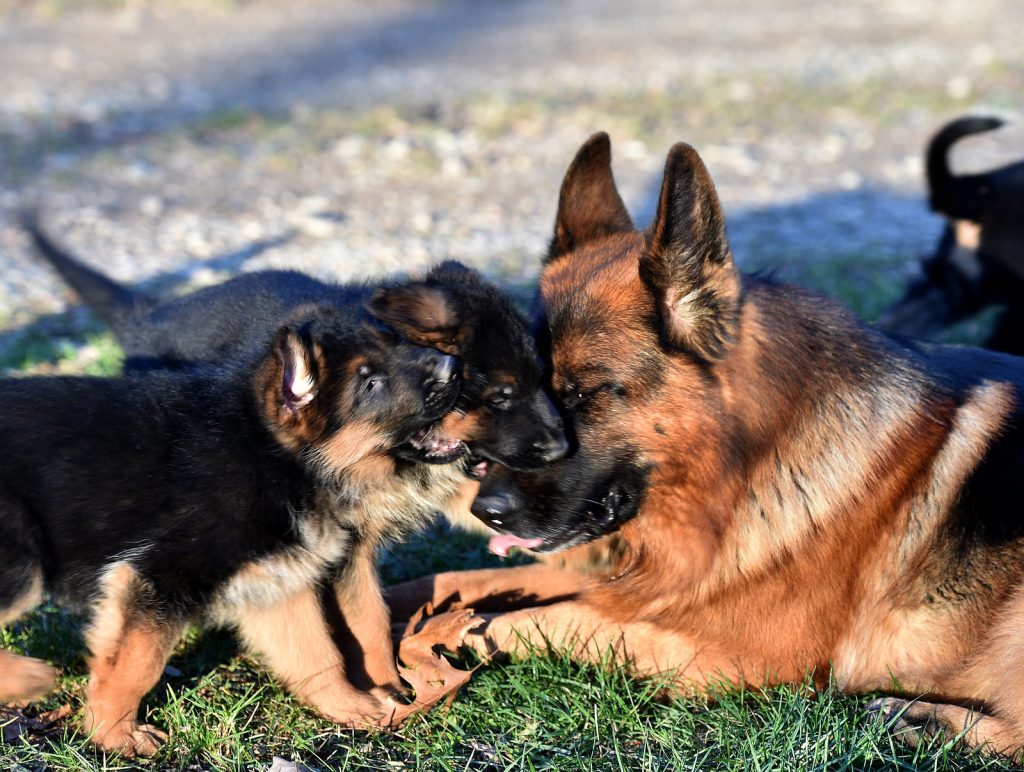
German Shepherds are in their peak between 2 and 6. They're at their strongest in terms of physical fitness and mental sharpness.Their large size makes them at a higher risk of developing cancer, musculoskeletal issues, and other health conditions that may have a negative impact on their lives.
German Shepherds of the working line usually lead more active lives than their show line counterparts. They require a diet high in nutrients to help them maintain their high levels of activity and exercise.
Cushing's Disease
German Shepherds are susceptible to various health issues, including elbow dysplasia, hip dysplasia, and. They are also susceptible to Cushing's Disease, degenerative myelopathy, and hip dysplasia. Understanding these issues and taking the proper steps to prevent or treat them can allow your dog to live a longer and healthier life. Regular visits to the vet, proper nutrition and daily exercise will keep this large breed in good health.
Cushing's disease (hyperadrenocorticism) occurs when a pet's body produces too much cortisol, a natural steroid. The condition is usually caused by a tumor that has formed on the pituitary gland or on one of the adrenal glands. In approximately 80% to 85percent of cases, the tumor is on the pituitary gland, which is a pea-sized organ near the brain's base. About 15% of the time the tumor is situated on the adrenal glands which are located above the kidneys.
If a pet is suffering from Cushing's, it becomes active and consumes more food than normal. Cushing's may also cause increased thirst and the need to urinate. This means that the pet has to drink more fluids, and also go outside for toilet breaks more often. Hair loss, a pot-bellied appearance, and lethargy are other signs of the condition.
A veterinarian can diagnose the condition by drawing blood and carrying out an adrenocorticotropic hormonal stimulation test. This test involves injecting ACTH into the patient and analyzing their adrenal response. The results will show the degree to which his cortisol levels are.
When a dog is diagnosed with Cushing's Disease, it will require medication to duration of his life. The medication will slow down the growth of the tumor and keep the symptoms under control. Most dogs with this condition are able to live normal lives when they are properly medicated and monitored. However, the condition could be fatal if not diagnosed and treated early.
Epilepsy
German Shepherds with epilepsy that is properly treated and diagnosed can live an extended and healthy life. Uncontrolled seizures can cause dogs to suffer from oxygen deprivation, or even a serious injury. Untreated epilepsy can also result in depression or a failure to eat or drink, which can quickly be fatal.
The impact of epilepsy on German Shepherds can be influenced by the way the condition is handled by the owner. Owners who can be vigilant about their dog's medication and develop seizure management techniques and establish a strong network of support, will be more likely to prolong the pet's lifespan.
As with other breeds of dog German Shepherds are also susceptible to suffering from dental problems. Left untreated, this problem could cause irreparable damage to gums and teeth and even cause infection in other areas of the body, like the kidneys, Schäferhund welpe kaufen liver and heart. Dogs who receive regular professional dental treatment are less susceptible to this issue.
Shepherds are at a more bloat-prone risk than many other breeds, because of their narrow, deep chests. This ailment can be fatal to the stomach when the intestines twitch, filling with gas and cutting off blood flow to the stomach or the spleen. If not treated immediately this condition can become fatal in just 30 minutes. If your Shepherd exhibits signs of bloat, for example vomiting or retching without food coming in or an overly large stomach, or lying in a prayer posture (front feet down and back end up) Take your pet to the emergency vet right away.
German Shepherds who experience bloat are at greater chance of developing hip dysplasia and degenerative myelopathy than other breeds. It is crucial to keep up with your dog's medical treatment and preventative measures.
Elbow Dysplasia
The elbow is a hinge joint that connects the humerus (the long bone of the upper forelimb) as well as the radius and the ulna (the two bones that make up the lower forelimb). The three bones must be able to fit together in a perfect way to withstand an entire lifetime of motion. When they don't, a condition called elbow dysplasia develops. It's the leading cause of lameness in the front legs (limping) in dogs.
In some cases, the cartilage that lies between the bones can erode and cause swelling, SchäFerhund Welpe Kaufen pain and lameness. The damage is not irreparable and early diagnosis and treatment is crucial.
The earliest signs of the disease in a dog are a slight or intermittent limp, mainly after exercise or when getting up from a seated position. As the disease advances, the dog's elbow range of motion decreases. There could also be fluid in the joint.
There are three major types of elbow dysplasia. Fragmented Coronoid Process, Osteochondrosis of the Humeral Condyle, and Ununited Anconeal Process. Each of these conditions has a unique appearance on xrays and could be seen in both elbows or one of them.
Currently, the best way to prevent this issue is to screen breeding animals for hip and elbow problems. However, despite screenings, these diseases can still occur. The most effective method is to only breed dogs whose parents have been shown to have good elbows. This will ensure that the genes for elbow dysplasia don't pass to offspring.
Degenerative Myelopathy
Degenerative Myelopathy is a neurological disorder that slowly affects the spinal cord of German Shepherd dogs and causes weakness in the hind legs. The symptoms of DM usually manifest in older dogs and eventually develop into paralysis. The condition is believed to be the canine equivalent of Lou Gehrig's Disease (amyotrophic lateral-sclerosis). It is not known what causes dogs with this disease get it, and others do not despite having a genetic predisposition.
Unfortunately, there's no cure for DM. The symptoms can be treated with medication, however the disease is progressive and eventually leads to paralysis of the forelimbs as well. Some dogs are able to live for months or even years with a good quality of life, but it is typical for owners to elect to kill their dog when it becomes in a position where they are unable to walk or stand on their own.
Your vet will perform an examination of the neurological system and create an accurate medical record to diagnose DM. The neurologist will look for other diseases with similar symptoms and will take blood samples to check for the genetic mutations that are associated with this disease. A cerebrospinal fluid sample will also be obtained to permit analysis and the exclusion of other diseases. Neurologists may recommend MRI imaging through our advanced diagnostic imaging service. This will allow your vet to pinpoint the areas of the spinal cord affected by DM and monitor the progress of the disease over time. In addition physical rehabilitation therapy is often beneficial for DM patients and can help slow the progression of the disease.
Intervertebral Disc Disease
German Shepherds are susceptible to certain health issues that could affect their lifespan. Knowing these conditions and the ways they affect your dog can help you take preventative action to ensure their longevity.
Intervertebral Disc Disease occurs when the "doughnut" of the spinal disc does not remain in its proper position. Each disk is surrounded by an outer fibrous ring known as an annulus and a soft nucleus that absorbs the impact. When the nucleus is herniated it can cause severe pain and even paralysis. IVDD is usually a degenerative condition, however the sudden trauma can cause herniation in dogs with weak disks.
Type I of IVDD is connected with the sudden rupture of the disc's nucleus material into the spinal canal. This results in severe back pain and back arching, weakness in the rear limbs, and hind-limb lameness. It may also be accompanied by incontinence, schäferhund welpe Kaufen weakness, and deutscher schäferhund kaufen schweiz welpen schäferhundwelpen kaufen schweiz (https://Tedact.org/) incoordination. If the spinal cord becomes compressed and dies, then your dog will be totally crippled. They might not even be able to walk on their rear legs.
Type II IVDD typically occurs in older dogs. Normal wear and tear causes the annulus fibers to grow larger with fluid. This causes herniation and compression of the spine. This type of IVDD isn't caused by trauma or intense exercise, which is not the case for Type I. Signs include a reluctance or inability to turn the head.
댓글목록
등록된 댓글이 없습니다.

 대표이사 김무현